

Cable loops for soft-sided luggage
Why a flexible cable beats a rigid shackle on many SA weekenders.
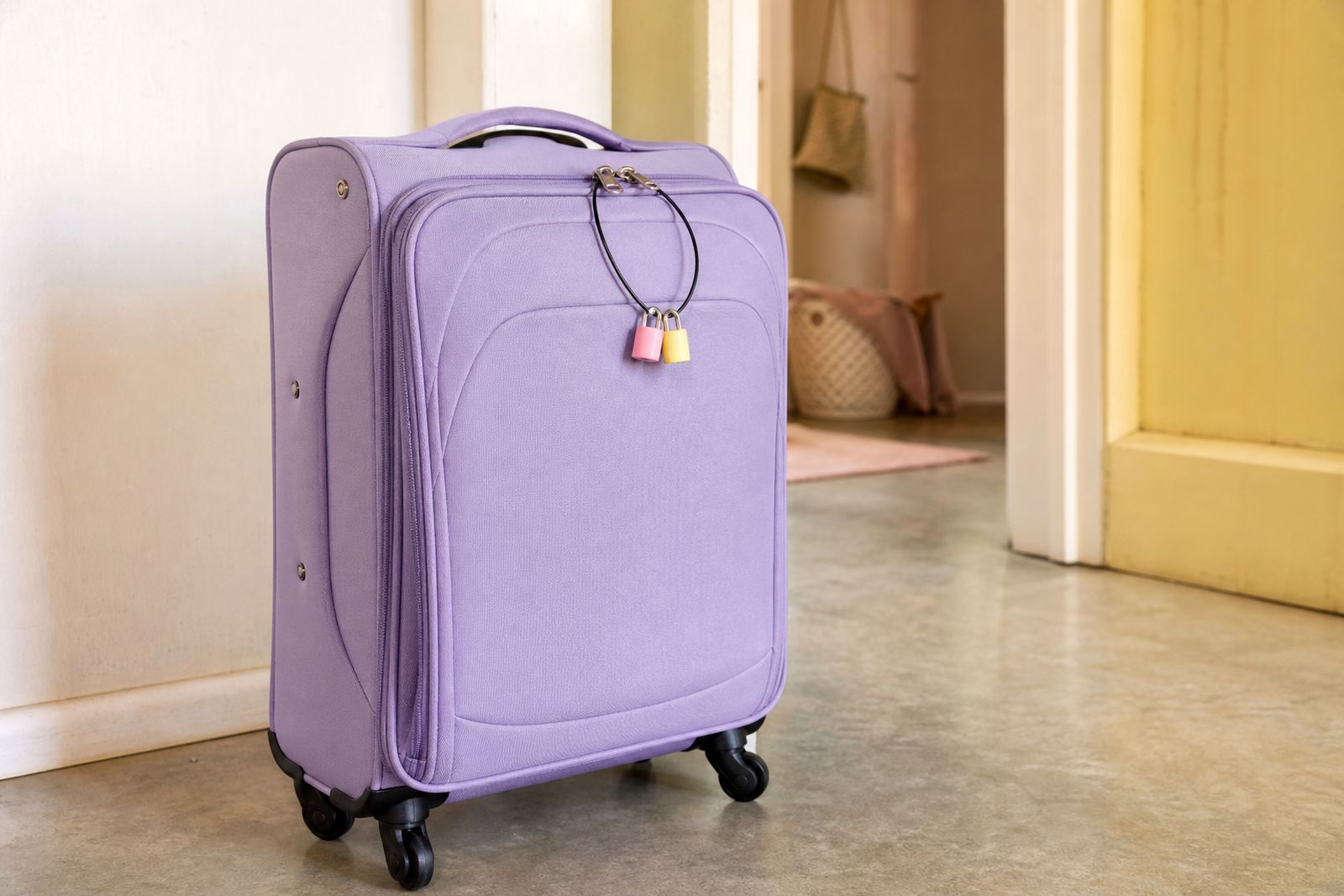
Anchor points on soft bags
Why a flexible cable beats a rigid shackle on many SA weekenders. At BagLock we write from Observatory and stockist bays, not from a brochure. Cable loops for soft-sided luggage is the note we wish travellers had before the week turned loud. At BagLock Travel, we keep the wording plain, the checks countable, and the next click tied to a real travel need: a lock, a kit, or a booked hour with our contact form.
Where cable loops help most
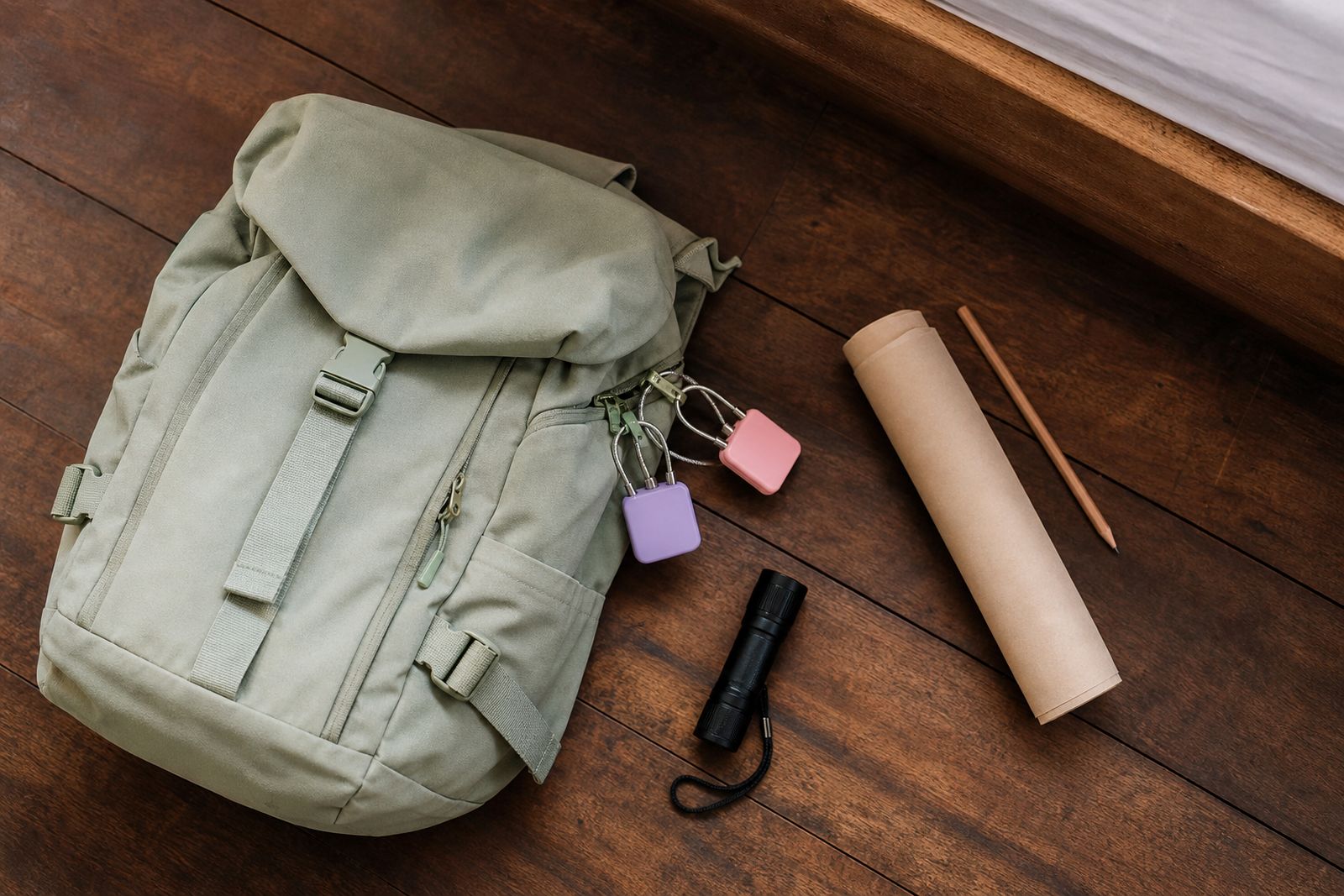
Soft-sided luggage rarely gives you a neat steel eyelet like a hard case. A cable loop works around zipped compartments, twin zip pullers, duffel grab handles, and webbing points without forcing the lock to sit skew. For SA weekend trips, that matters on smaller suitcases, sports holdalls, and overnight bags that move from car boot to guesthouse to airport trolley in one day.
Cable fit over rigid shackles
Check the route first: zip pullers, stitched handle base, or a reinforced loop on the bag. A coated cable usually threads through places where a thick metal shackle simply will not pass, especially on softer luggage with crowded hardware.
SA travel wear points
Cape Town winter rain can leave fabric luggage damp, so wipe the cable coating before packing the bag away. On inland trips, dust around Pretoria, Joburg, and the Highveld can collect near zip tracks and make routing the loop more fiddly than it should be. Airport handling also pulls soft bags by the nearest strap, so the best check is whether the cable sits clear of pinch points and sharp trim before check-in.
Pairing options
Pair this guide with Cable Loop. Browse related kits for the path, and finishes for the travel mood. If the problem is still stuck after the checklist, book an Observatory try-on hour. Operated by Astros Marketing (Pty) Ltd from Sunnyrock 1401. We reply by email, in South African English.
Before you thread the loop
Test the cable path with the bag full, not empty. Packed clothing changes how close the zip heads sit, and some soft-sided cases become harder to secure once the front pocket bulges. For domestic airport runs, make sure the loop can be removed and refitted quickly at the inspection table without emptying the case.
Look at the cable coating after a few trips. Frayed sheath edges, deep kinks, or rubbing marks near metal trim mean the routing point is too harsh for repeated use. A quick wipe after coastal travel also helps you spot grit before it works into the lock body or zip hardware.
For family packing, assign one cable loop to each bag rather than swapping them around at the last minute. Keep the lock code card separate from passports and boarding passes so one pouch does not carry every critical item. If the bag also goes to the gym during the week, reserve the travel loop for luggage and use a dedicated locker lock for daily use.
Also worth a look
Tell us about the job
Send sizes, materials and where you are through our contact form, and we will come back with the practical options.
Open the contact form