

Rugby kitbag
Club kitbags, muddy boots, and shared change rooms.
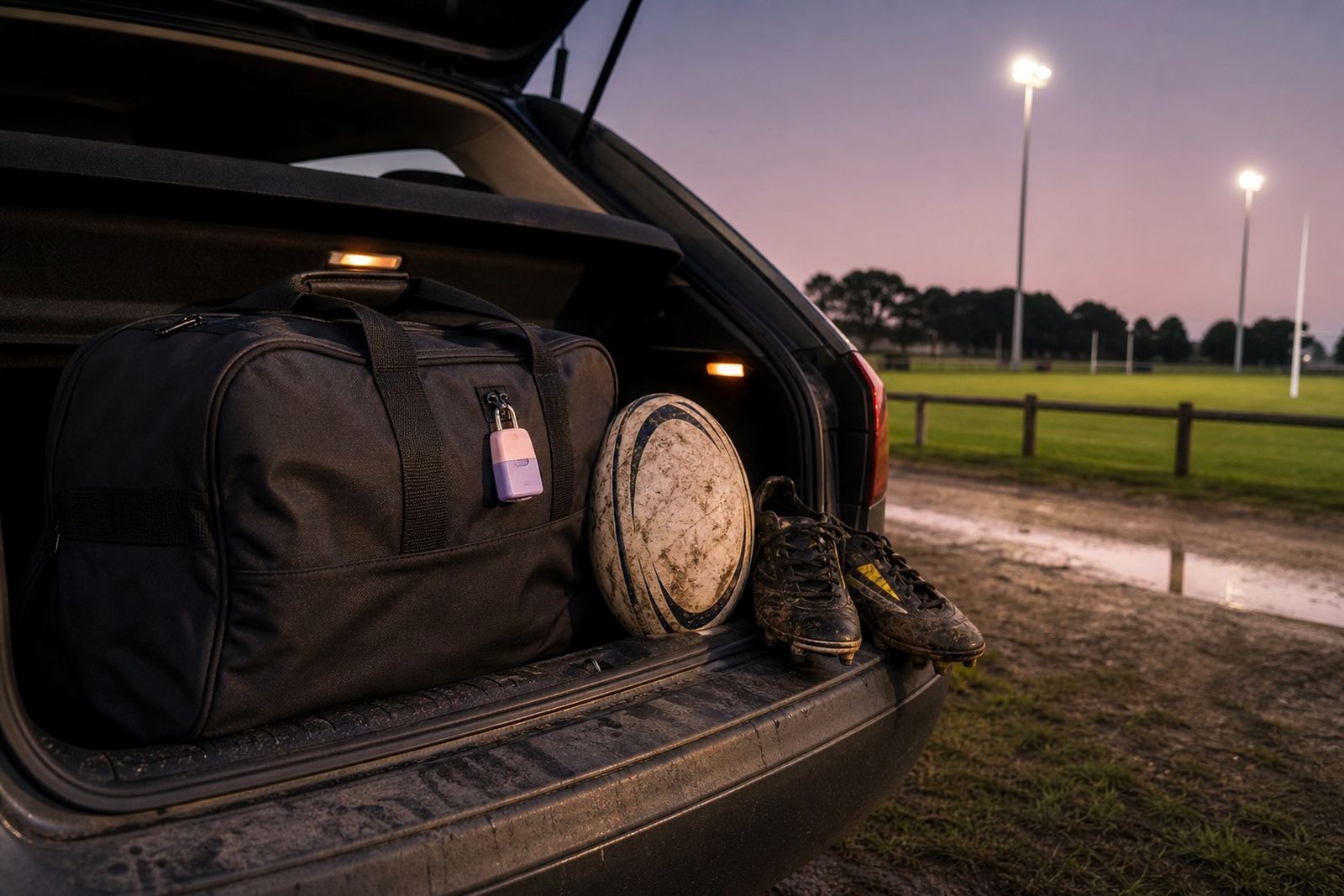
From changeroom to boot
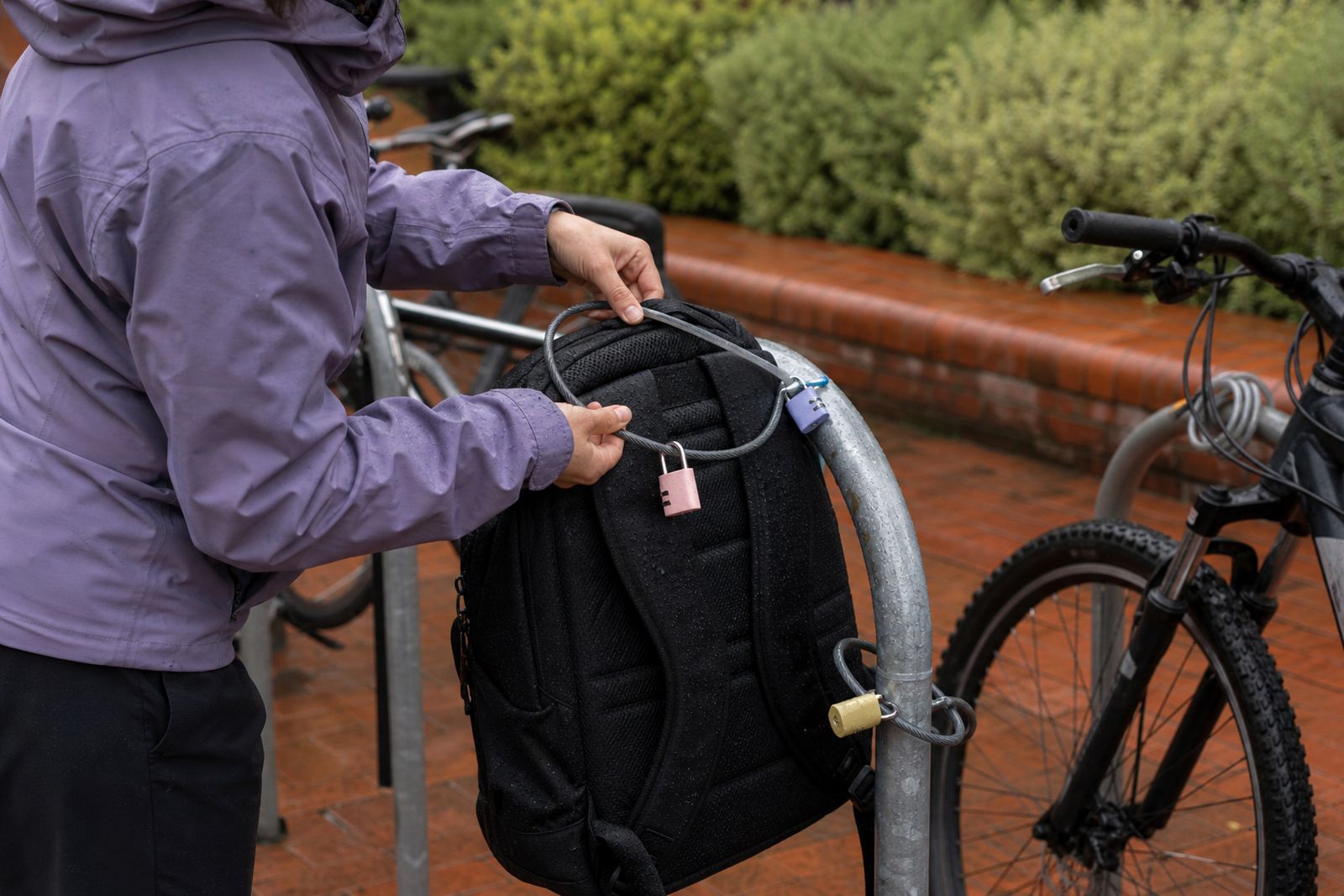
A rugby kitbag carries more than shorts and a jersey. It usually ends up stuffed with tape, gumguard case, muddy boots, a towel, and small items that go missing in busy school and club change rooms. Check which lock fits the main zip, what to use at the locker, and what to check before the bag gets thrown into a car boot.
Start with the bag itself. Check whether the zip heads can meet cleanly, fit the main lock, and make sure the code opens easily with wet or cold hands. After training, clip valuables inside the locker, then give the lock a quick rinse and dry if mud or grass has worked into the bag.
Rugby kit in South Africa often moves through wet winter mornings, dusty sidelines, and shared facilities after school or club sessions. That mix of damp kit and rough handling is hard on zip pulls and easy to overlook when everyone is packing up fast. Keep the code noted somewhere separate from the bag, and do a final zip check before the team bus, lift club, or bakkie heads home.
Checks before kick-off
This setup works best when each part of the kitbag has a job. One lock secures the main compartment, another covers the locker or cage, and a cable helps with awkward points that do not suit a standard shackle. If you message through our contact form, include the bag type, the school or club setting, and which lock point is giving trouble.
- Main zip closes without forcing fabric
- Code tested after washing hands or rain
- Boot section cleared of loose studs
- Locker point checked before training starts
- Follow-up note scheduled
If you are picking up around Observatory, Rosebank, Canal Walk, Gateway, Menlyn, V&A, Sandton City, or Tyger Valley, bring the bag or a clear photo of the zip area. Rugby bags vary a lot between school issue, club holdalls, and larger wheelie styles. A quick look at the zip geometry usually settles which lock and cable combination will sit properly.
Where rugby bags go wrong
Most problems come from overpacked bags and battered zip heads. Once shin guards, toiletries, tape, and a wet jersey are crammed into one section, the zip line twists and the lock ends up taking strain it was never meant to carry. Shared change rooms also add the usual mix-up where identical black bags get grabbed in a rush.
Mud and moisture need their own routine. Rinse heavy dirt off boots before they go back in, wipe the lock body if it has been on the ground, and store the cable dry after use. That matters more in winter rugby, where wet kit can sit in the bag for hours after the final whistle.
For a quick counter check, use our contact form with the kit name as your heading. Include a short note on which zip, locker, or boot section needs attention. Large attachments are unnecessary for this kind of rugby gear query.
What our Luggage Lock customers say
Verified Google reviews
Tell us about the job
Send sizes, materials and where you are through our contact form, and we will come back with the practical options.
Open the contact form