

Stockist expansion
Gateway and Menlyn points join the map.
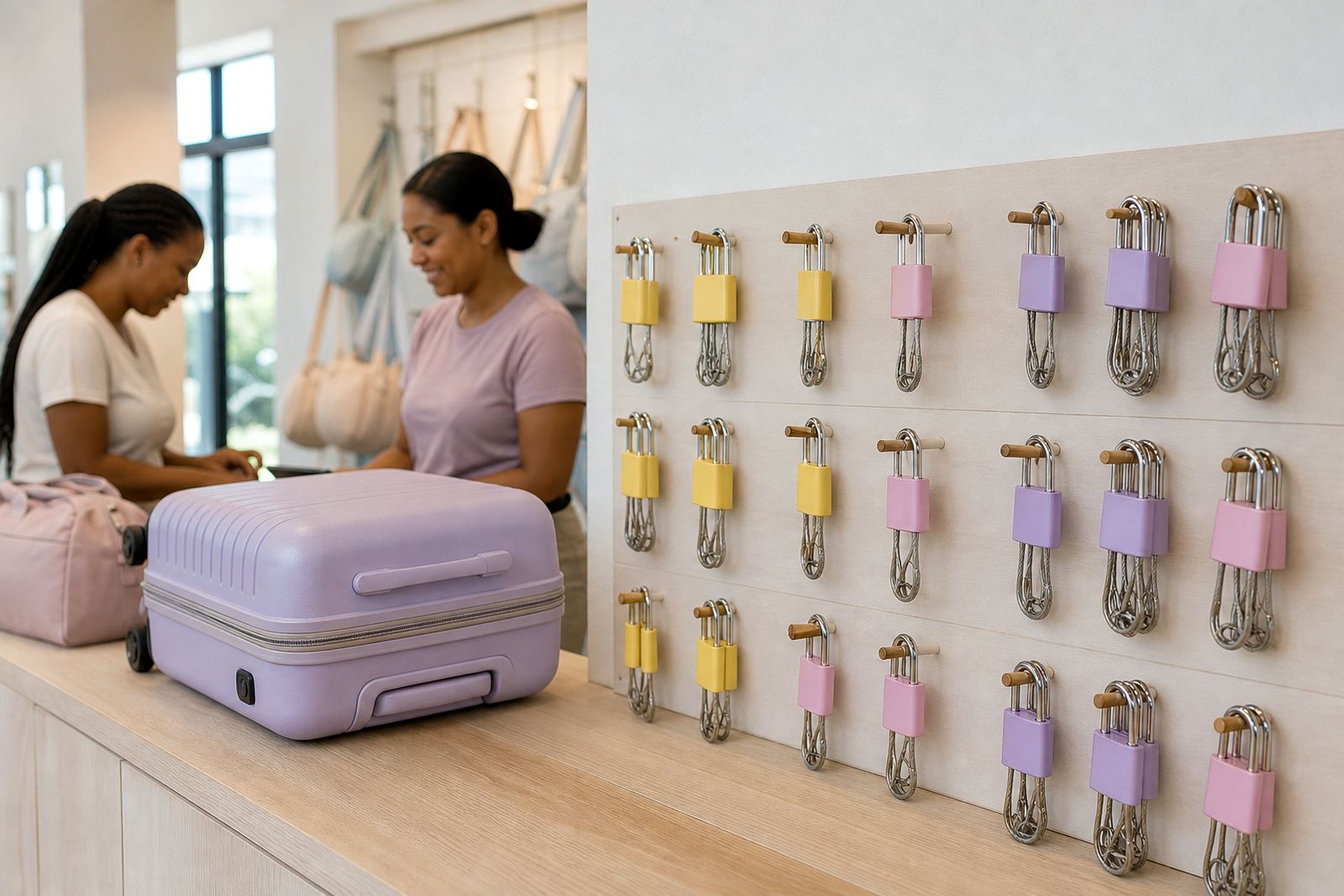
Gateway and Menlyn rollout notes
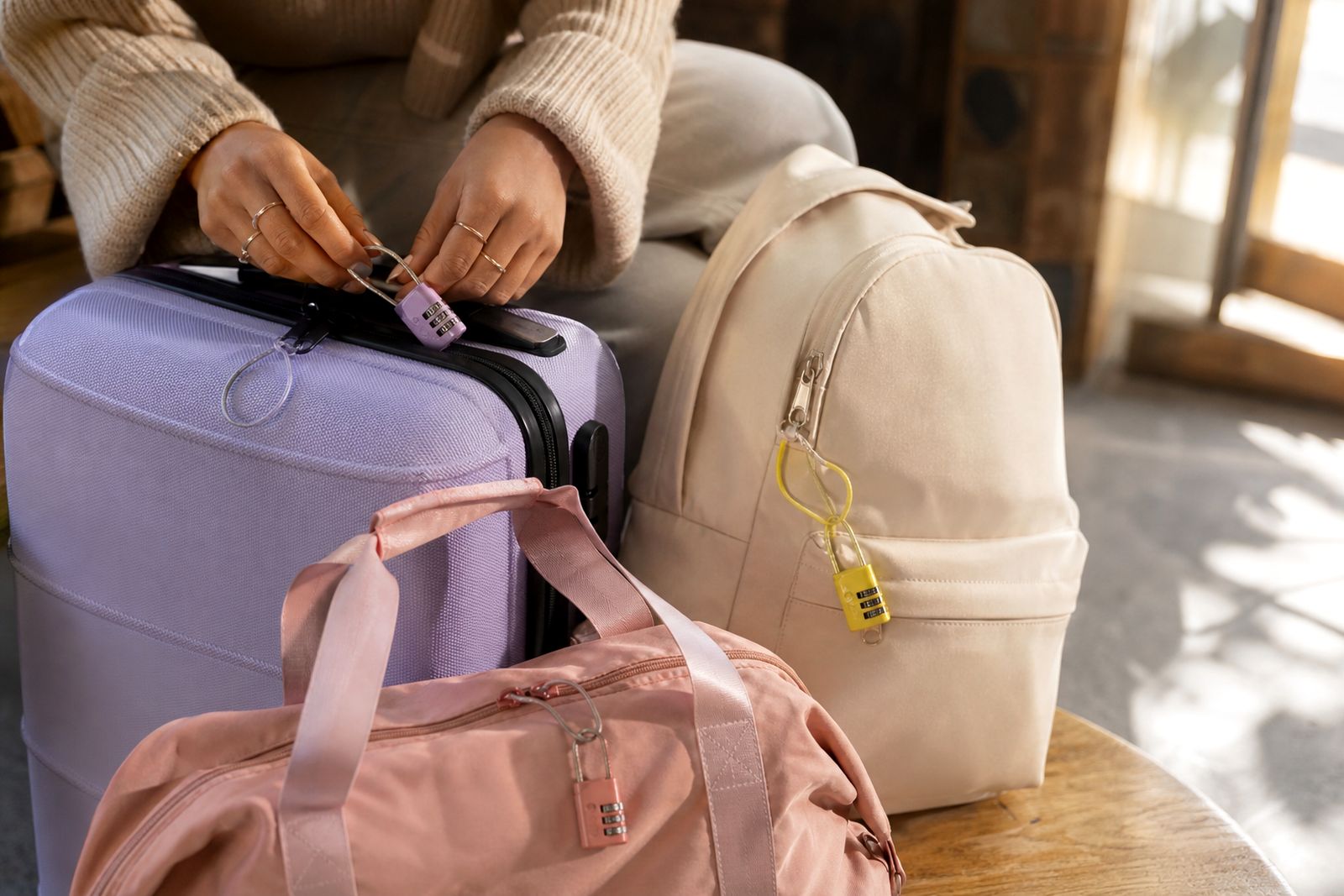
This update records two new points on the map: Gateway and Menlyn. For BagLock Travel, stockist expansion means checking where luggage locks, gym-bag locks, and travel security kits will sit, how they will be shown, and what staff need in writing to explain them properly. Shoppers at airport-adjacent centres often ask whether South African airport security can open a lock, so that question needs a direct answer at shelf level.
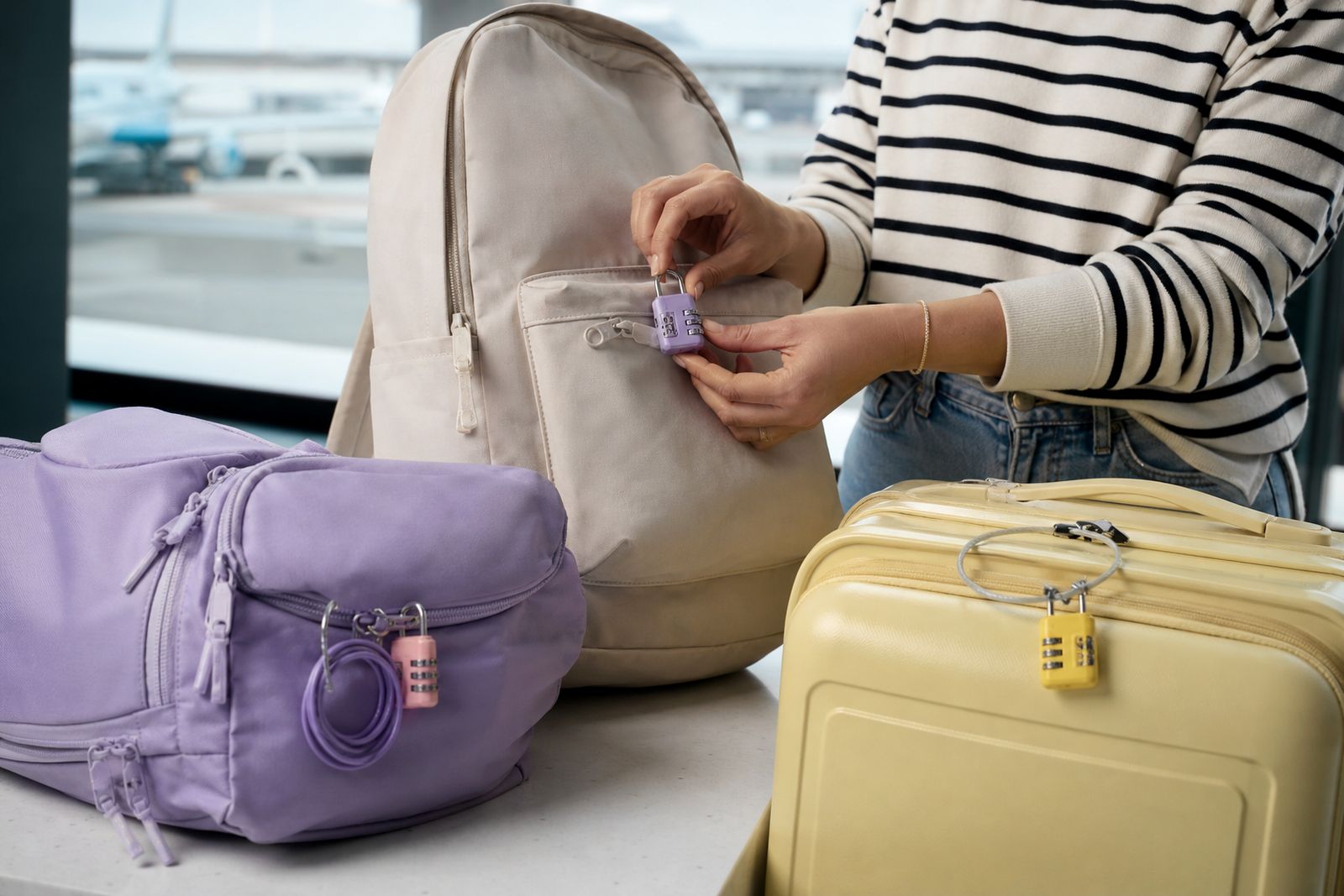
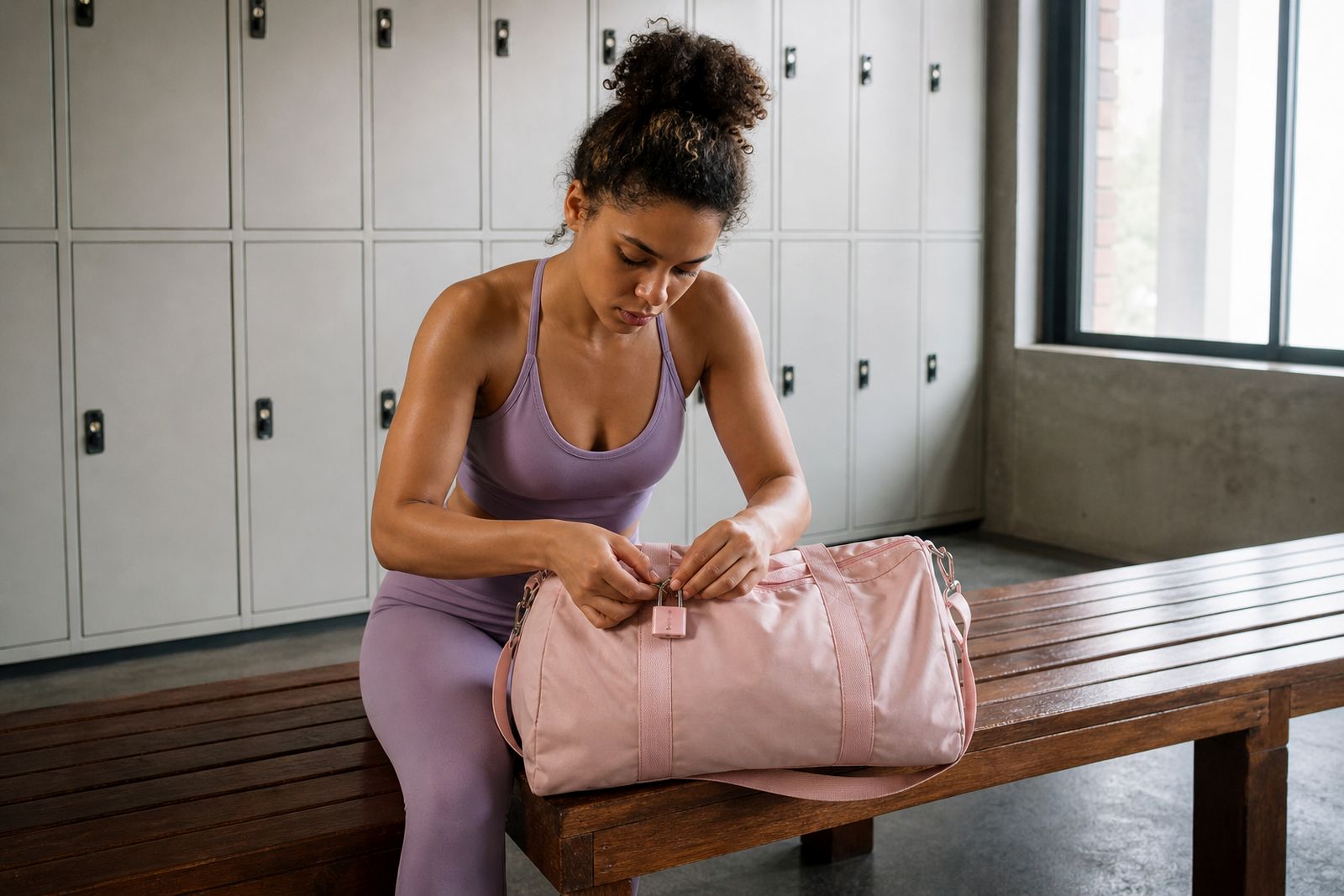
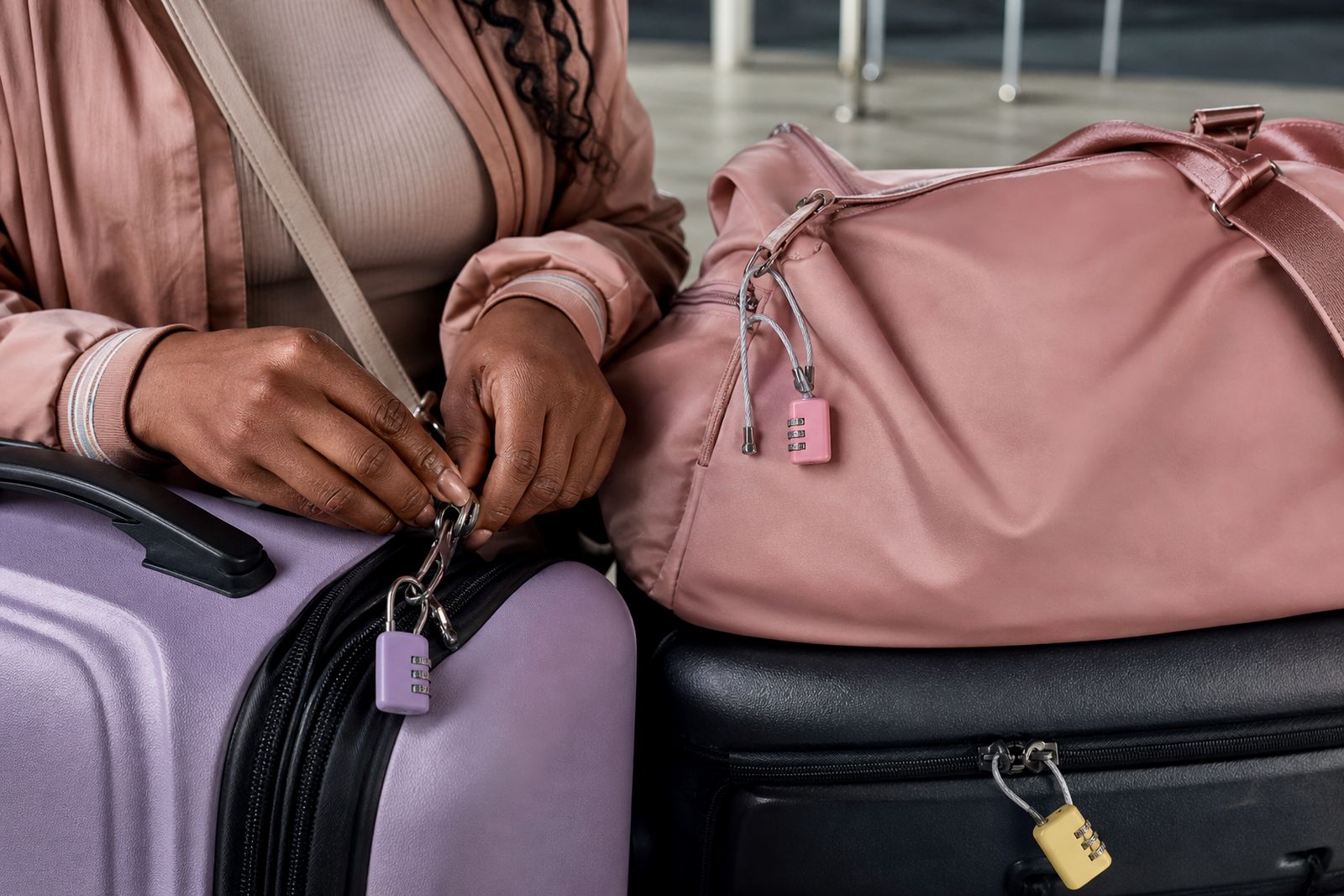
A new stockist point is not only a pin on a map. At Gateway and Menlyn, the useful checks are display width, nearby foot traffic, and whether packaged locks can be read under centre lighting without anyone lifting every unit off the hook. In practice, combination dials, cable loops, and kit contents must stay visible from the first glance. Staff also need one simple note on which products suit checked luggage and which are better for lockers, gym bags, or day-to-day carry.
Visitors often land here with a catalogue tab open and one worry they have not said yet. We slow that down. Look at fit, service, and the next human action. A lock, a seal, a kit, or a bench pick only earns its place if someone on your side can repeat the step without us in the room. In Johannesburg we see the same pattern as in Bloemfontein: the first week looks busy, and the second week shows which habit survived. Write the habit where the team already looks, on a card, a run sheet, or the back of the job ticket.
Press visitors usually want the names first, then the support material. The key facts are Gateway, Menlyn, and the request route for images and wordmarks, with credit to BagLock Travel and the symbol mark kept free of letterforms. Retail teams need different information. They need pack shots that match current packaging, clear shelf labels, and a short product note that does not drift into airport myths or vague security claims.
Store conditions change the setup more than people expect. Coastal air at Gateway can leave display fittings tacky if adhesive labels are poorly chosen, while a high-traffic mall environment like Menlyn needs tougher handling on sample units that customers pick up all day. Small hardware matters here. Hook spacing, blister pack hang, spare stock behind counter, and a quick check that code-setting instructions are still legible after a busy weekend all affect whether the range stays saleable.
Approach training with a clear start and a clear finish. Book it like a paying job. Open ended evenings rarely finish the module that matters, whether you are in Bloemfontein or driving through to Johannesburg. We would rather run a short session that names the next action than a long tour of every option in the range. Bring the people who will actually do the work. A manager who nods and a crew who never saw the step is how good gear goes dusty. After the session, leave with a written note. Email is enough.
When a stockist update is involved, name the centre and city in the same message. That avoids mixing Menlyn material with Gateway copy or older location notes.
If you are filing this update, keep the record tight. Note the two centres added and any image request made for press or catalogue work. For store follow-up, write down who checks pricing strips, who verifies stock on hand, and who replaces a damaged sample lock. Expansion works better when those small duties are named before launch material starts moving between teams.
Leave out filler when you refer to these openings. Use the actual centre names, keep the wording on travel locks accurate, and do not pad the note with generic retail phrases. Good stockist copy mentions the lock type, the setting, and the customer question it answers. Poor copy blurs airport locks with every other padlock on a shelf and creates extra work for store staff later.
Strip the job back to these three lines when everything else gets noisy. Name the city and the constraint. Name the supplier and the lead time. Name the next human action and who owns it. Stockist expansion is finished when those three lines are written down and someone else can follow them on a Friday afternoon. That is the standard we use at BagLock Travel, from the first email to the follow up after you have tried the step in Bloemfontein. Write when the setup changes. Bring the new photo. We will meet you at the same level of detail, no louder than the work requires.
Another: Date the card in the corner so next season knows which copy won. Teams in Johannesburg tell us the third reminder is the one that sticks, so here it is: Describe each rejected bag plainly enough for someone on their first shift. None of these replace the spec. They stop the spec from living only in someone's head.
Tell us about the job
Send sizes, materials and where you are through our contact form, and we will come back with the practical options.
Open the contact form