

TSA-style Duo
TSA-style Duo pairs two combination luggage locks for checked bags on South African routes. The set suits travellers who want both cases marked and secured with the same style of lock, with a card kept apart from the bags for recorded codes.
Overview
TSA-style Duo is part of the luggage lock line. Teams specify it when they need clear documentation, local showroom access, and aftercare from Observatory, Cape Town.
Next
Ask for datasheets through our contact form, or visit a showroom.
Packing two bags with TSA-style Duo
TSA-style Duo is for the traveller carrying more than one case through airport screening. One lock can stay on the main suitcase while the second covers a duffel, hard shell cabin case, or gear bag that moves between car boot, guesthouse, and terminal. The point of the pair is consistency, so the same check can be repeated before leaving home and again at the check in queue.
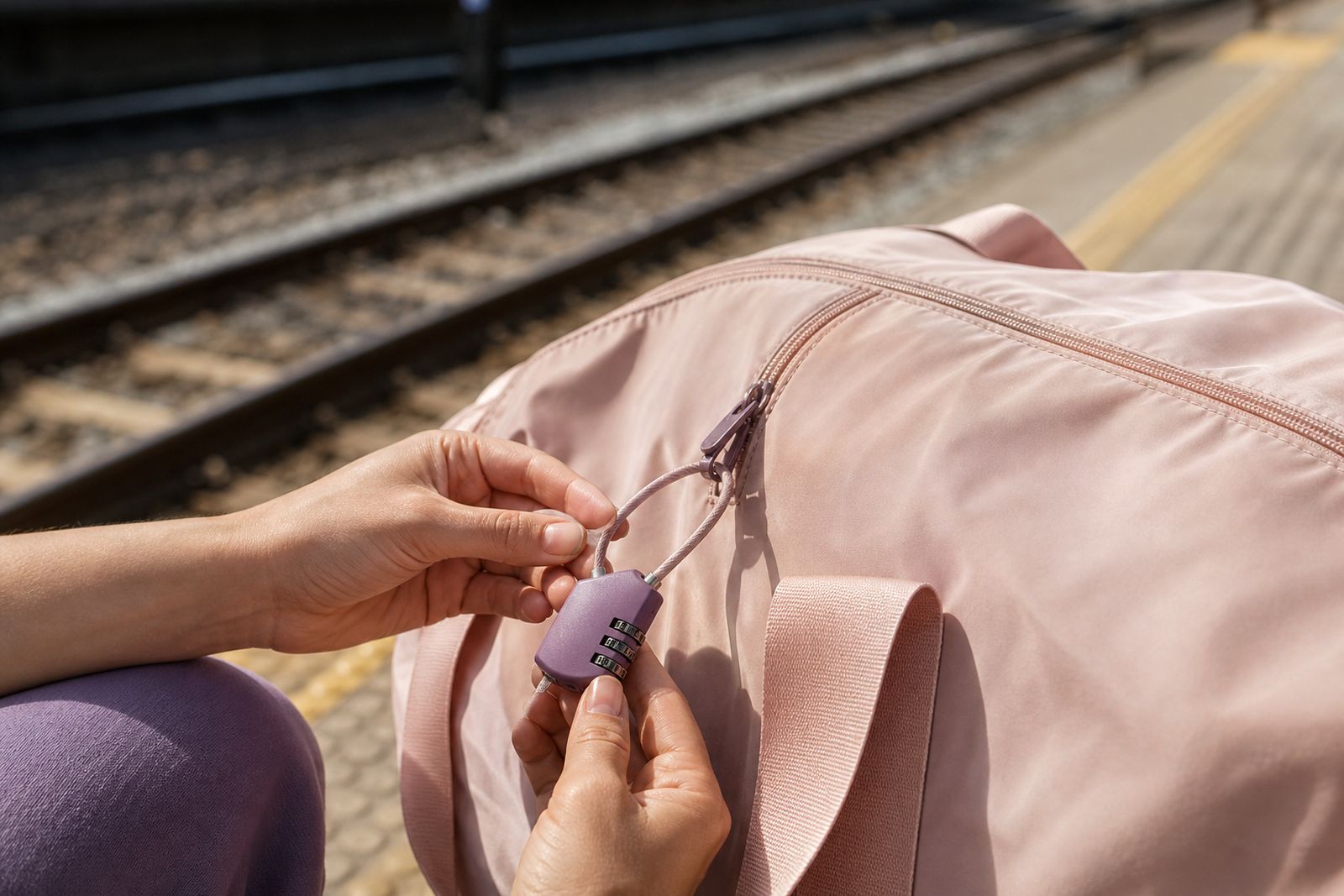
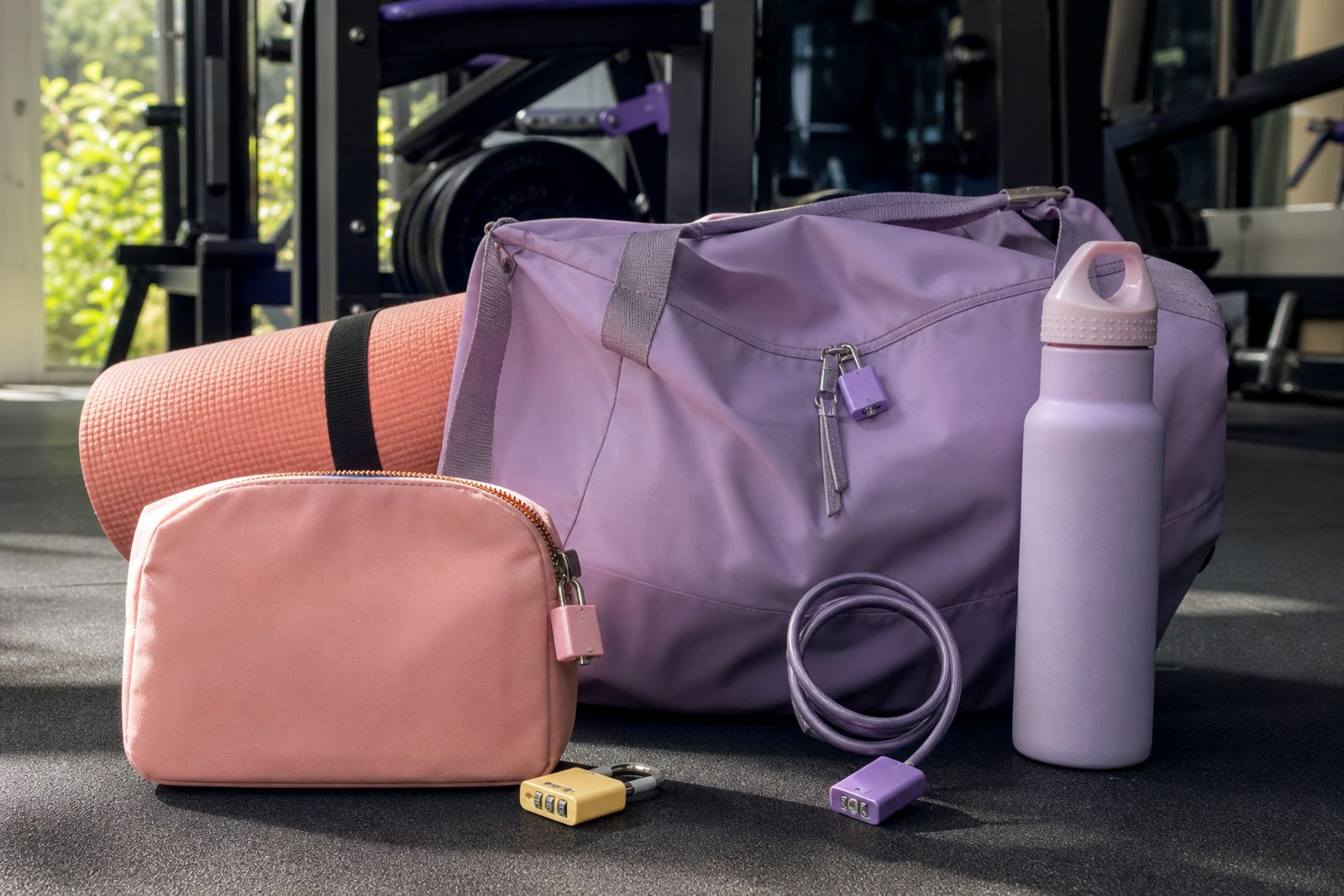
Start by matching each lock to the zip pulls or lock points on the bags you actually use. Soft luggage often needs enough clearance for two zip heads, while a gym bag may have a thicker eyelet that changes how the body of the lock sits. In Cape Town's coastal air and on dusty inland trips, it helps to check that the dials still turn cleanly after the bag has ridden in a rack, trailer, or shuttle boot.
People often arrive with a catalogue tab open and one worry still unsaid. We slow that down. Look at fit, service, and the next human action. A lock, a seal, a kit, or a bench pick only earns its place if someone on your side can repeat the step without us in the room. In East London we see the same pattern as in Kimberley: the first week looks busy, and the second week shows which habit survived. Write the habit where the team already looks, on a card, a run sheet, or the back of the job ticket.
TSA-style Duo makes more sense when the trip includes handoffs between driver, porter, airline counter, and accommodation. Before travel, note which bag carries documents, chargers, or medication, then assign the lock that will be opened more often. That small step cuts down on repeated code entry in crowded spaces like departure halls or hostel locker areas.
For weekend travel and work trips, keep the travel card away from the luggage rather than tucked into the same front pocket. If load shedding catches you while packing before an early flight, a written code in your wallet is easier to recover than a number stored on a dead phone. Do a final dial check under decent light, especially if the locks were last used months earlier.
Start training with a fixed opening and a fixed close. Book it like a paying job. Open ended evenings rarely finish the module that matters, whether you are in Stellenbosch or driving through to East London. We would rather run a short session that names the next action than a long tour of every option in the range. Bring the people who will actually do the work. A manager who nods and a crew who never saw the step is how good gear goes dusty. After the session, leave with a written note. Email is enough.
TSA-style Duo needs ordinary care, not a special routine. Brush off sand, lint, or grit before storage, and spin the dials away from the set code after the journey so the number is not left showing in a cupboard or guest room.
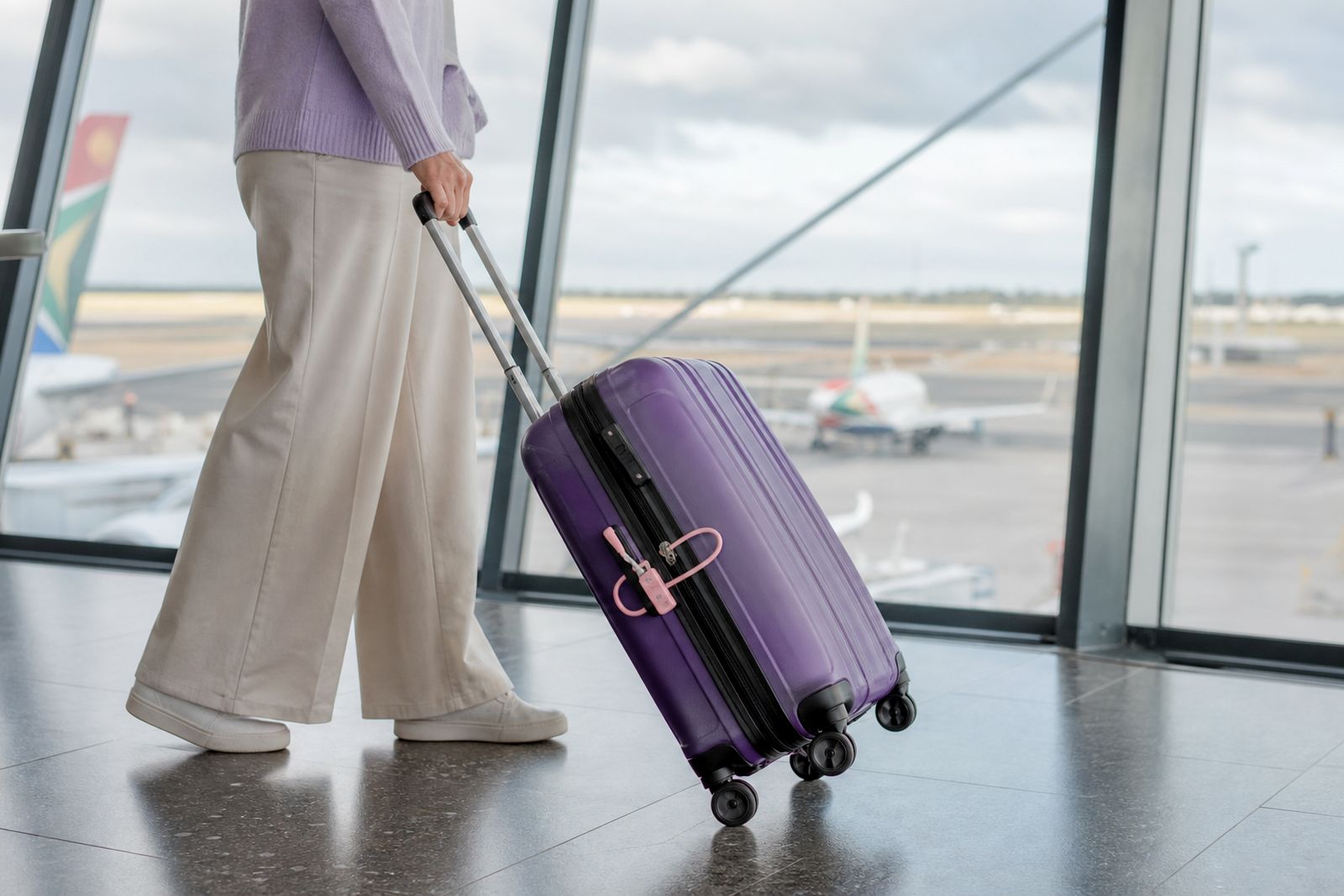
Cape Town to East London trips often involve one larger checked case and one secondary bag that gets opened at stops. TSA-style Duo suits that pattern because both locks can be set up together before departure, then checked again when repacking for the return leg. If the second bag is used daily at the destination, decide upfront whether it keeps the same code or a different one for shared access.
The focus is the lock set itself, not a pile of travel filler. We are not using TSA-style Duo to stand in for every kit, seal, or gym clip in the range. If you are comparing options, keep the notes to bag size, zip type, travel frequency, and who needs the code on the day.
Strip it back to these three lines if needed. Name the city and the constraint. Name the supplier and the lead time. Name the next human action and who owns it. TSA-style Duo is finished when those three lines are written down and someone else can follow them on a Friday afternoon. That is the standard we use at BagLock Travel, from the first email to the follow up after you have tried the step in Stellenbosch. Write when the setup changes. Bring the new photo. We will meet you at the same level of detail, no louder than the work requires.
Hang the approved bag sample at the packing bench, at eye level. Another: If two people share the tool, label the tray with both names. Teams in East London tell us the third reminder is the one that sticks, so here it is: Date the card in the corner so next season knows which copy won. None of these replace the spec. They stop the spec from living only in someone's head.
What our Luggage Lock customers say
Verified Google reviews
Tell us about the job
Send sizes, materials and where you are through our contact form, and we will come back with the practical options.
Open the contact form