

Bike rain sleeve
Drying habits for Bike Rack Lock.
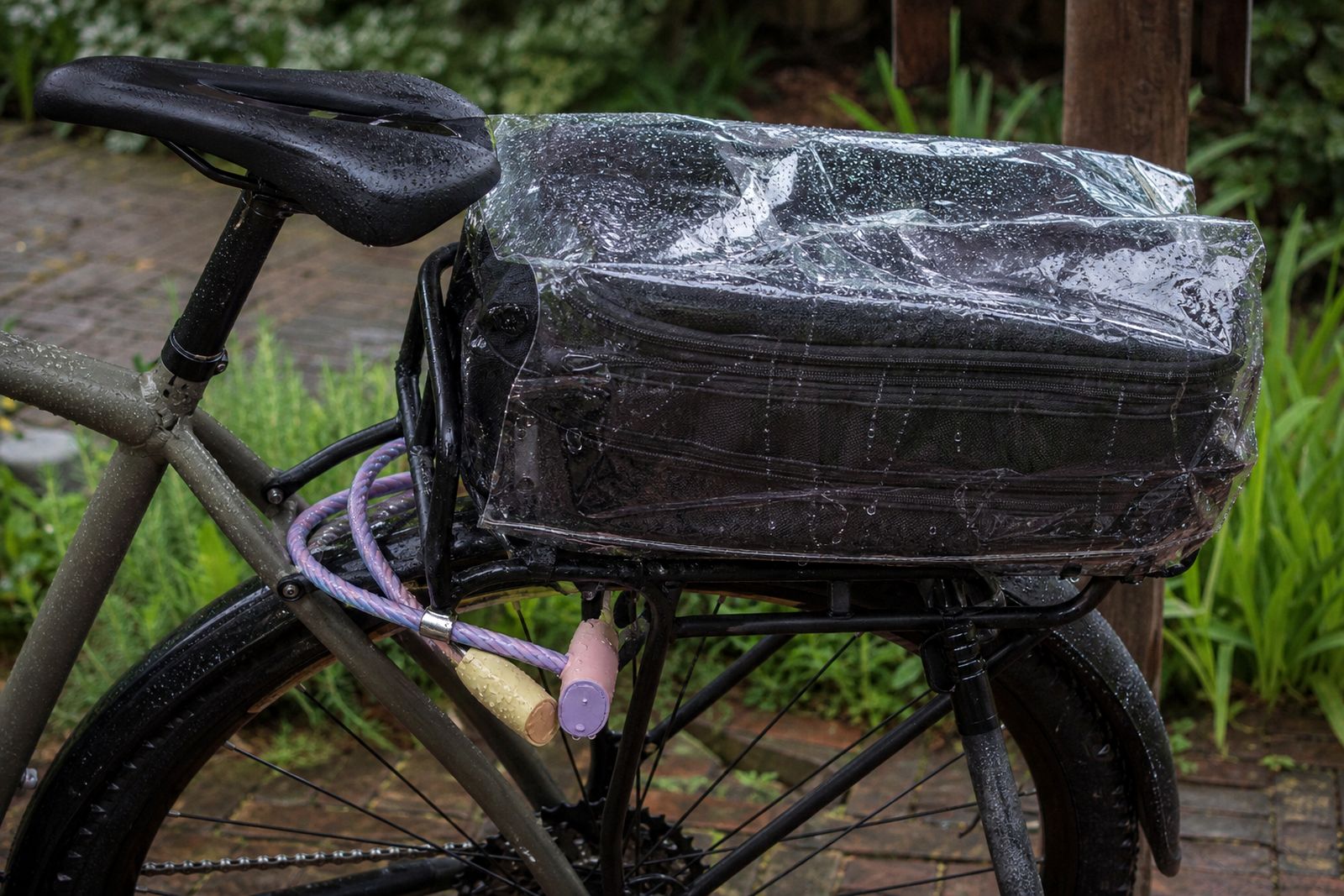
Fitting a bike rain sleeve properly
Drying habits for Bike Rack Lock. Print it, photograph it, or pin it beside your packing list. Resources are short on purpose. If you need a longer story, open a guide. If you need gear, open a lock. If you need a week path, open a kit.
If you need the printable Bike rain sleeve sheet again, use our contact form and mention the resource name. Say whether the sleeve is for a boot rack, towbar rack, or indoor storage so the right version is sent.
Wet-weather checks before the N1
A bike rain sleeve works best when the fabric is pulled tight over the bars and saddle, not left flapping at the rear wheel. Check the drawcord or straps before you leave home, especially if the bike is riding on a rear rack in crosswind. After heavy rain, open the cover as soon as you park so trapped moisture does not sit on brake rotors and chain links.
Cape Town rain arrives sideways, while Highveld storms often hit hard and pass fast. That changes how a sleeve sits on a bike during a stop at a garage or guesthouse. We look at the rack style, tyre width, and whether the bike carries panniers, because those details affect cover size more than the frame label does.
Not every sleeve suits every trip. Thin fabric can handle dust and light drizzle for a school run or office commute, but longer road travel needs stronger stitching around the bar ends and pedal area. Before packing, make sure the cover clears mudguards, bottle cages, and any rear light bracket.
For flights or bus travel, a rain sleeve is not a substitute for a proper bike bag or box. It is more useful for shielding a parked bike from road spray, overnight dew, or a sudden shower at a race venue. Roll it dry when you can, then keep it in a separate pouch so wet fabric does not soak gloves, locks, or tools.
Coastal salt and red dust both shorten the life of zips, toggles, and elastic hems. Wipe the sleeve down after a muddy weekend, then inspect the corners where chainrings and pedals rub first. Small wear marks show up there long before the main panels fail.
A simple routine helps on family trips with more than one bike. Label each sleeve by wheel size or bike type so the right one comes out first at the rack. Fold it with the dirty side inward after use, then stash a small cloth nearby for wiping down the frame before covering it again.
A bike rain sleeve works best when the fabric is pulled tight over the bars and saddle, not left flapping at the rear wheel. Check the drawcord or straps before you leave home, especially if the bike is riding on a rear rack in crosswind. After heavy rain, open the cover as soon as you park so trapped moisture does not sit on brake rotors and chain links.
Cape Town rain arrives sideways, while Highveld storms often hit hard and pass fast. That changes how a sleeve sits on a bike during a stop at a garage or guesthouse. We look at the rack style, tyre width, and whether the bike carries panniers, because those details affect cover size more than the frame label does.
Tell us about the job
Send sizes, materials and where you are through our contact form, and we will come back with the practical options.
Open the contact form