

Domestic flights
Quick packing for SA airport security.
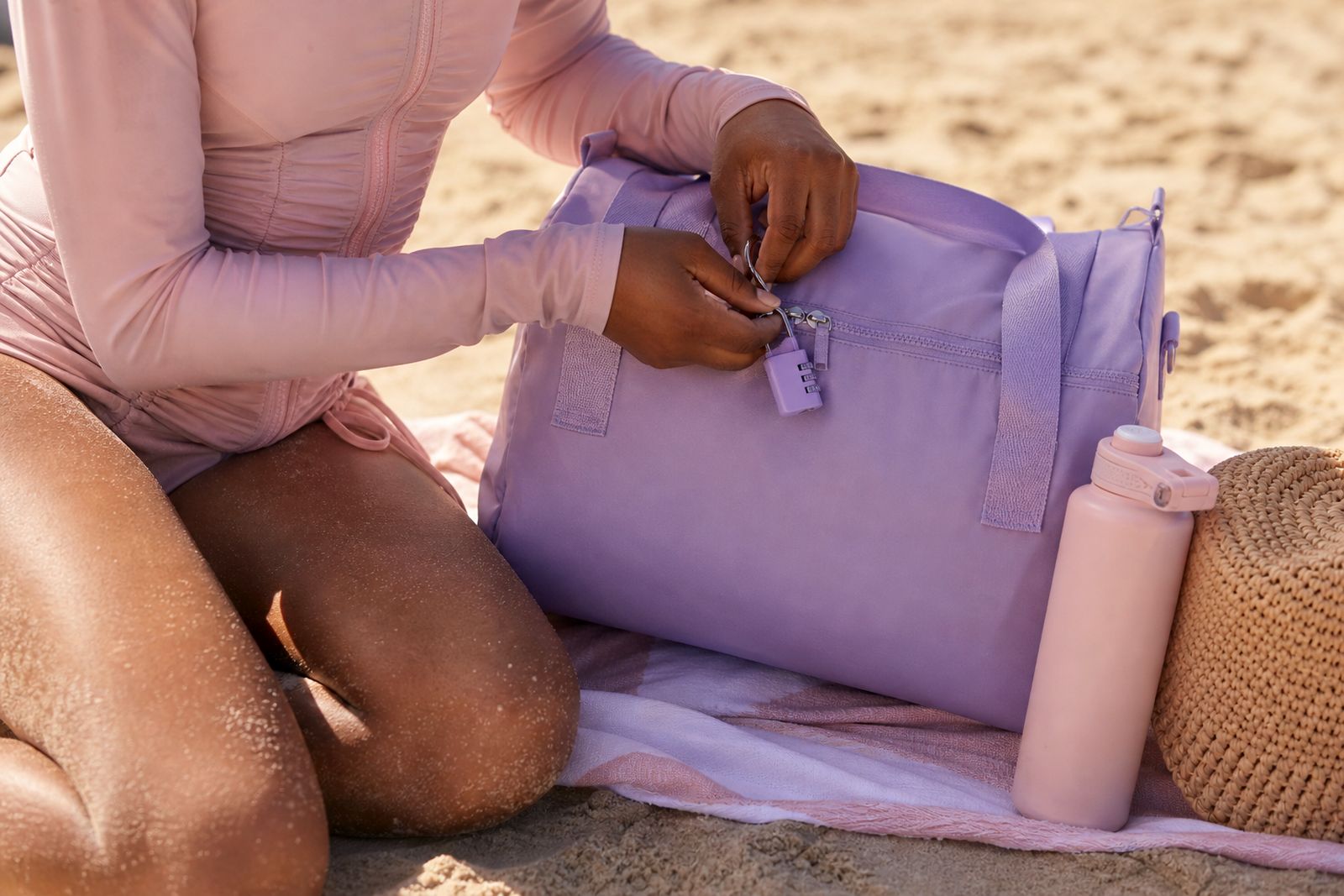
Cabin bags, hold bags, and airport checks
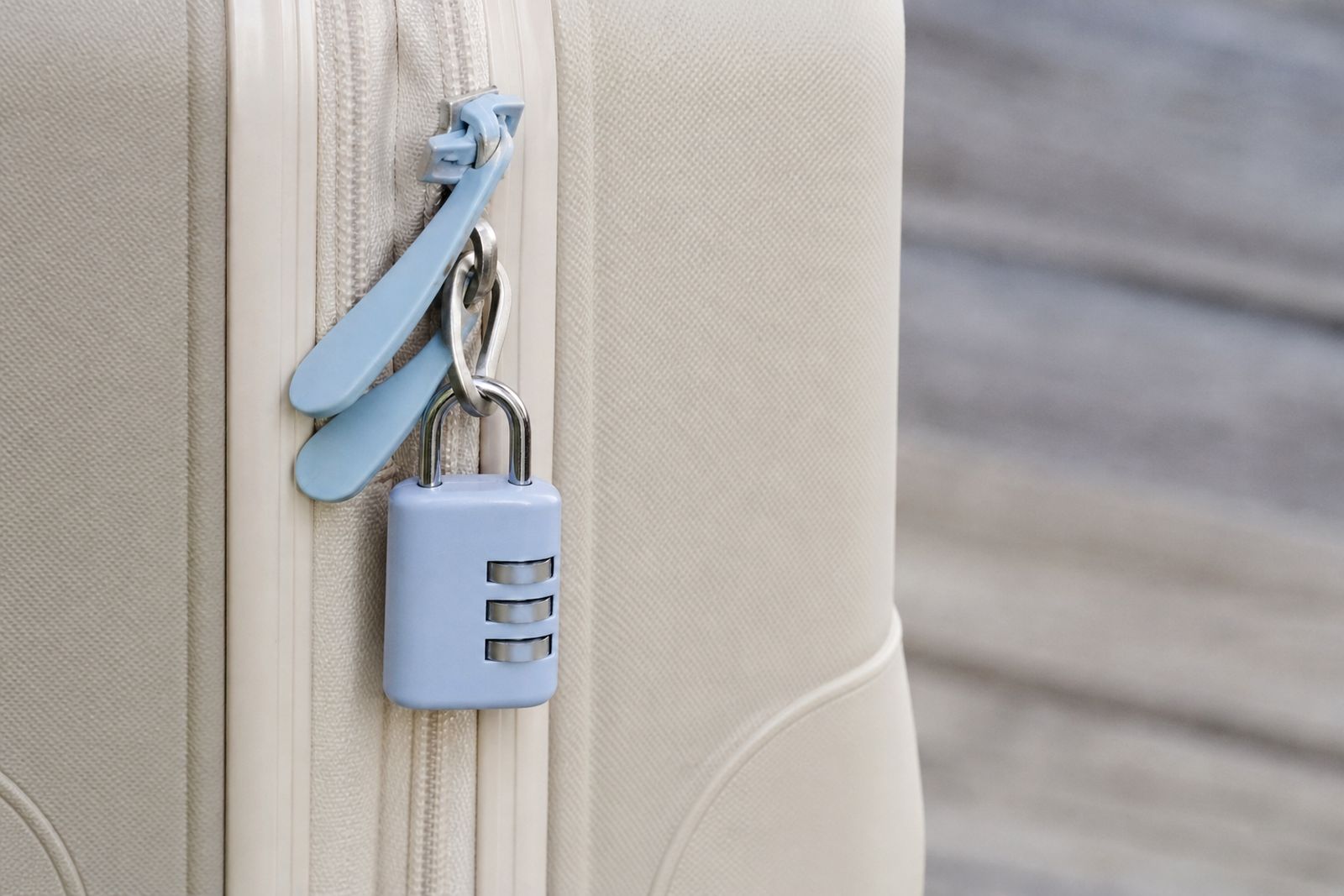
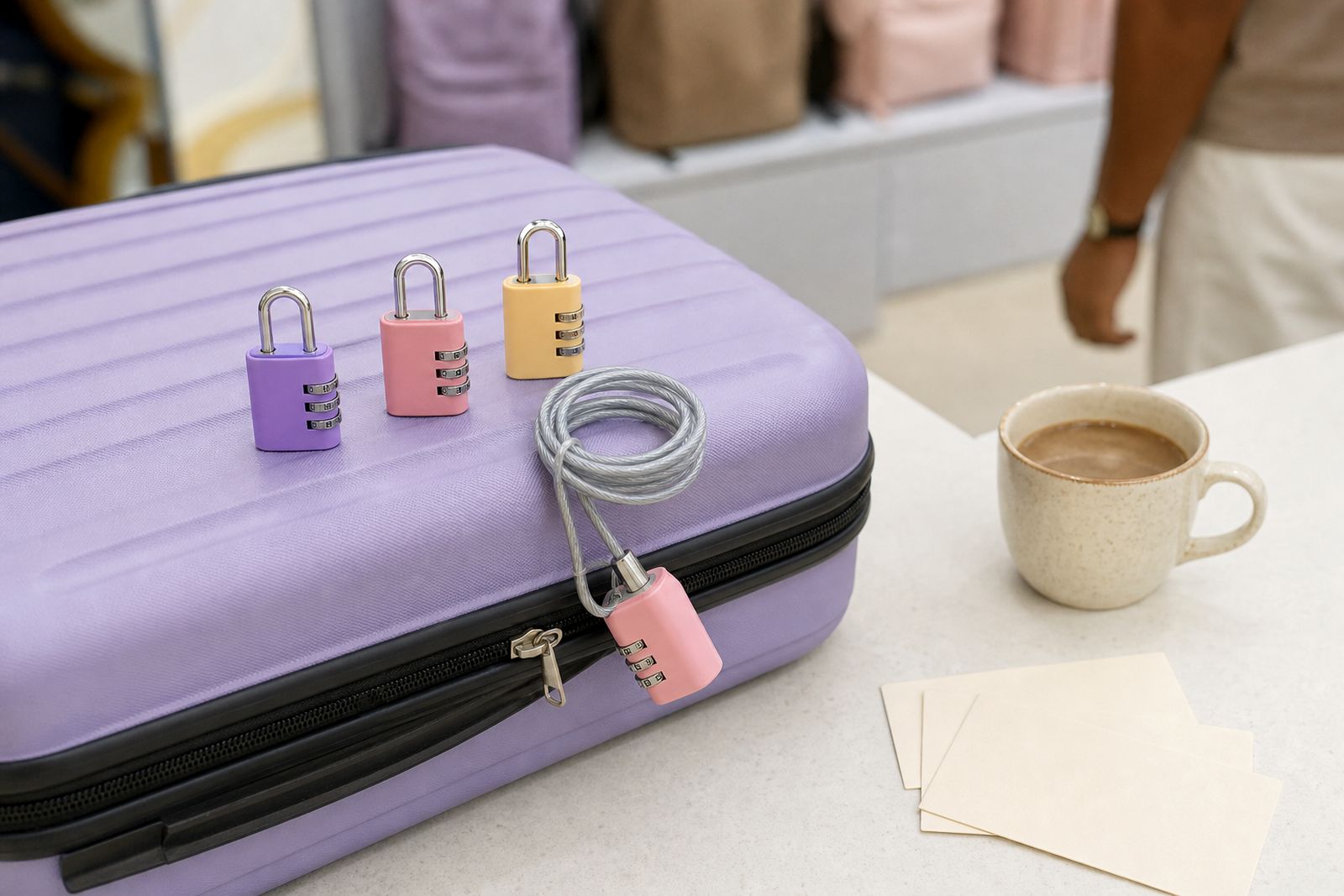
For a domestic flight in South Africa, the useful prep happens before you leave for the airport. Check that your luggage lock suits screened baggage, keep codes written where the traveller can reach them, and separate small valuables from checked bags before the drop. Choose the gear that matters for local departures: TSA friendly luggage locks, cable loops for odd zip pulls, and compact security kits that fit hand luggage without adding clutter.
Think from the check-in queue backwards. A hard shell case, a soft duffel, and a gym bag do not handle the same lock body or cable loop, especially when the zip pulls are small or the fabric eyelets flex under load. For Cape Town, Johannesburg, Durban, Gqeberha, and East London runs, pack so that a security inspection does not leave you hunting for a pen, spare tag, or reset code at boarding time.
Quite a few people shop with a catalogue tab open and one worry left unsaid. We slow that down. Look at fit, service, and the next human action. A lock, a seal, a kit, or a bench pick only earns its place if someone on your side can repeat the step without us in the room. In Gqeberha we see the same pattern as in East London: the first week looks busy, and the second week shows which habit survived. Write the habit where the team already looks, on a card, a run sheet, or the back of the job ticket.
Domestic travel usually needs fewer items than people first pack. One luggage lock that airport security can open, one visible bag identifier, and one small pouch for documents and charging leads will often do more than a pile of accessories bought in a rush. If the trip includes a guesthouse, training venue, or shared locker, add a separate gym-bag lock instead of shifting your main case lock from place to place.
Screening rules matter most when bags must be opened without damaging the zip or lock housing. That is why TSA friendly luggage locks are relevant on local flights from South African airports where security staff may need access during inspection. Keep sharp tools, loose liquids, and clutter out of the top layer so checks stay quick and repacking does not spill across the counter.
Training should have a defined start and a defined finish. Book it like a paying job. Open ended evenings rarely finish the module that matters, whether you are in East London or driving through to Gqeberha. We would rather run a short session that names the next action than a long tour of every option in the range. Bring the people who will actually do the work. A manager who nods and a crew who never saw the step is how good gear goes dusty. After the session, leave with a written note. Email is enough.
Before travelling, test the combination twice and write the code where the traveller can recover it without guessing. Keep one spare seal, one spare tag, and a small pen in the kit, then use our contact form if you need help matching a lock type to a bag style or airport use case. Include the bag style, your city, and a clear photo of the zip area or latch point.
Check the bag while it is open on the bed or packing bench. Check the zip pulls, decide whether the bag will be checked or carried on, and separate valuables that should stay with the traveller through security and boarding. If you are packing for a same-day turnaround, keep the kit lean enough to repack quickly in the arrivals hall, a shuttle queue, or the hotel foyer.
We do not treat every trip as if it needs the same hardware. A domestic flight pack should not be stuffed with oversized padlocks, duplicate cables, or extras that trigger a full unpack at the scanner. Each product note ties back to airport screening, bag type, and ordinary South African travel conditions.
If you need to simplify it, start with these three lines. Name the city and the constraint. Name the supplier and the lead time. Name the next human action and who owns it. Domestic flights is finished when those three lines are written down and someone else can follow them on a Friday afternoon. That is the standard we use at BagLock Travel, from the first email to the follow up after you have tried the step in East London. Write when the setup changes. Bring the new photo. We will meet you at the same level of detail, no louder than the work requires.
Before you tweak the setting, photograph it, then take another photo once the change is made. Another: Date the card in the corner so next season knows which copy won. Teams in Gqeberha tell us the third reminder is the one that sticks, so here it is: If two people share the tool, label the tray with both names. None of these replace the spec. They stop the spec from living only in someone's head.
What our Luggage Lock customers say
Verified Google reviews
Also worth a look
Tell us about the job
Send sizes, materials and where you are through our contact form, and we will come back with the practical options.
Open the contact form