

Europe carry brief
Carry-on Europe kit brief for winter leavers.
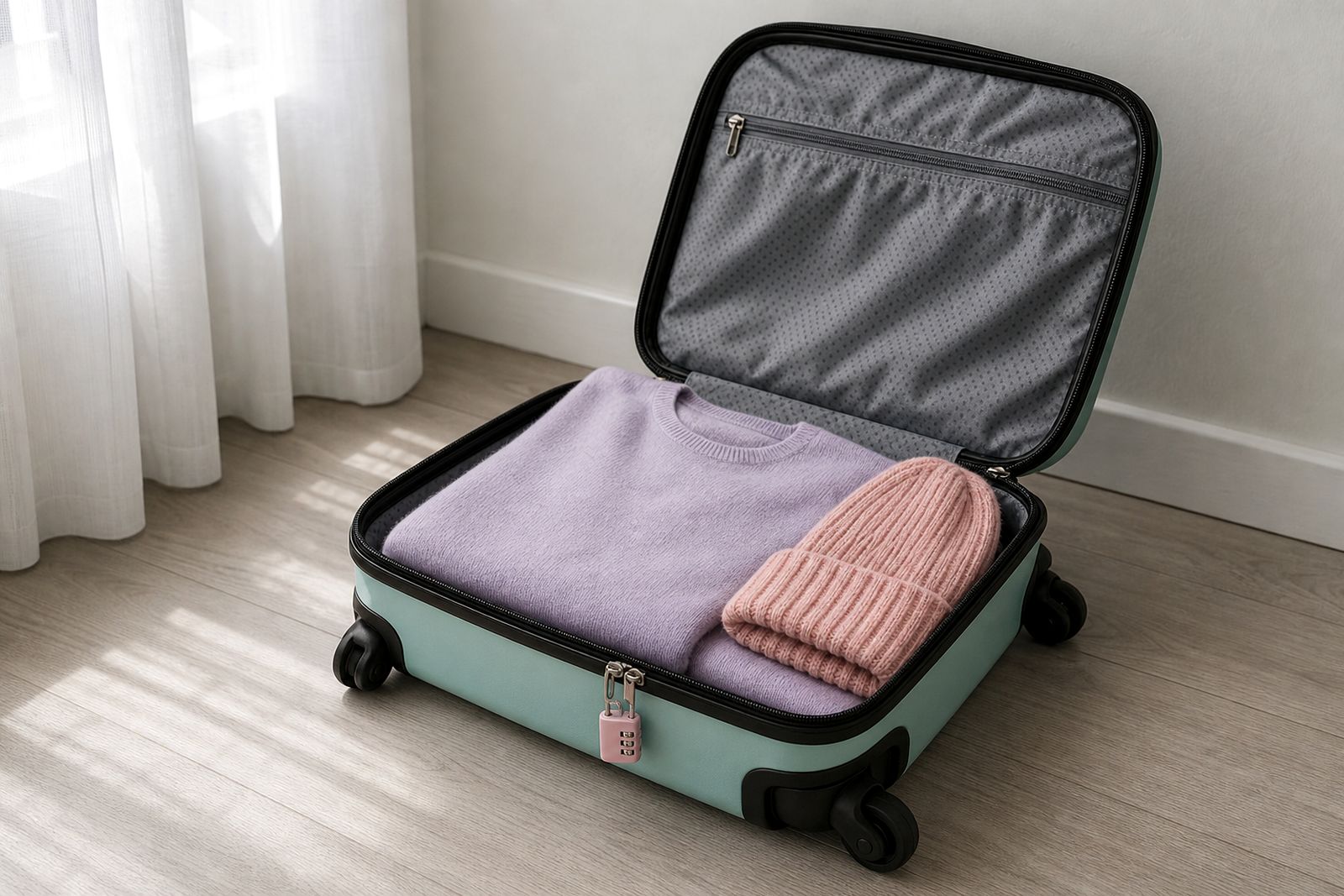
Winter carry-on choices for Europe
Carry-on Europe kit brief for winter leavers. We keep project pages practical: what bag showed up, which lock geometry won, and what we would change next time.
This brief follows a Cape Town departure built around one cabin bag, one document pouch, and a lock setup that stays useful after landing. Use our contact form if your route, bag size, or airport routine needs the same kind of check before you pack.
What transferred
The useful carry-over was simple: photograph the code card, test the zip path with the bag fully packed, and choose a lock that does not snag knitwear or charging cables. For a winter Europe carry-on, bulky layers and tight overhead-bin space matter more than flashy accessories.
- Bag type logged
- Lock geometry chosen
- Cabin bag packed for cold weather
Checks before the airport train
A Europe cabin setup works better when passports, chargers, and medication each have a fixed spot that stays unchanged through security checks. We write the code onto the card, confirm the reset once, and lock the bag while it is still on the packing bench. That catches sticky zip garages before the airport rush starts.
Winter gloves change how small dials and zip heads feel in queues, especially after a long flight into a cold terminal. Test the lock under dim light at home, then again with the bag standing upright. Cross-body straps and daypack handles shift once coats are added, so the lock position should not fight the way the bag hangs.
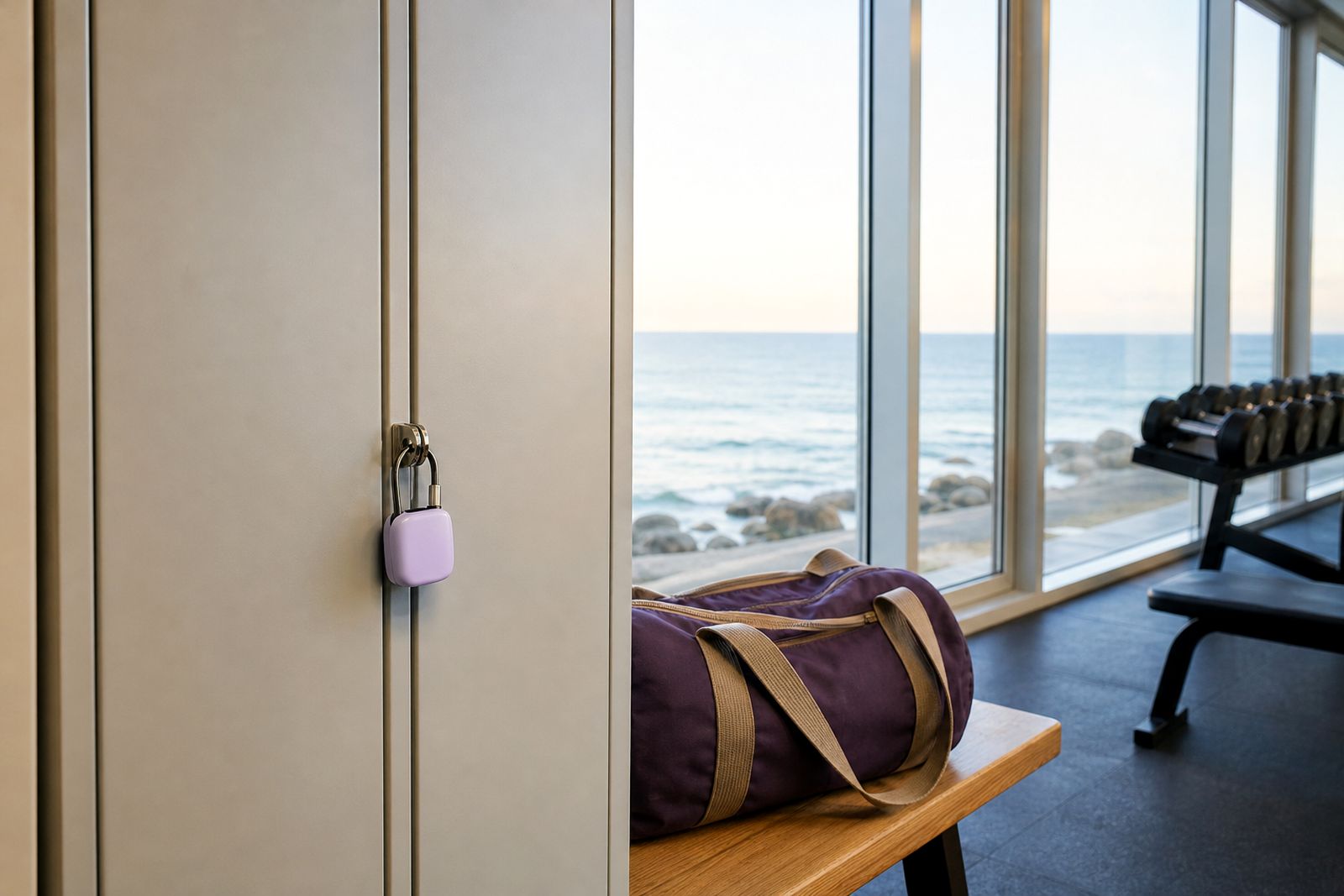
Departures from OR Tambo and Cape Town International put pressure on zipper pulls, especially when cabin bags are overstuffed with jerseys and waterproof layers. We look at the bag shell, the route through South African airports, and whether the same lock must move to a gym bag or hostel locker later. Those details usually point to a short cable option rather than a tall shackle on soft luggage.
For soft carry-on bags, the best result here was a low-profile lock body that sat close to the zip garage and did not bulge against the fabric. Hard cabin cases need enough clearance for moulded channels around the zip track. If the bag is in front of you, the fit is obvious within seconds in a way photos never manage.
A Schengen trip with trains, compact hotel rooms, and repeated repacking needs a different rhythm from a quick domestic sector. Set the combination, keep the code card apart from the bag, and keep a separate lock for hostel or gym use. That stops the suitcase lock being removed and misplaced halfway through the trip.
Metal finishes and coated cables do not wear the same after a Cape Town start, an airport transfer, and a damp European street commute. We check for rubbing marks near the zip pulls, wipe moisture off after arrival, and make sure the release still feels clean. Small maintenance matters when the lock is opened several times a day from cabin bag duty.
A Europe cabin setup works better when passports, chargers, and medication each have a fixed spot that stays unchanged through security checks. We write the code onto the card, confirm the reset once, and lock the bag while it is still on the packing bench. That catches sticky zip garages before the airport rush starts.
What our Luggage Lock customers say
Verified Google reviews
Tell us about the job
Send sizes, materials and where you are through our contact form, and we will come back with the practical options.
Open the contact form