

Reset sequence
Calm reset steps without panic language.
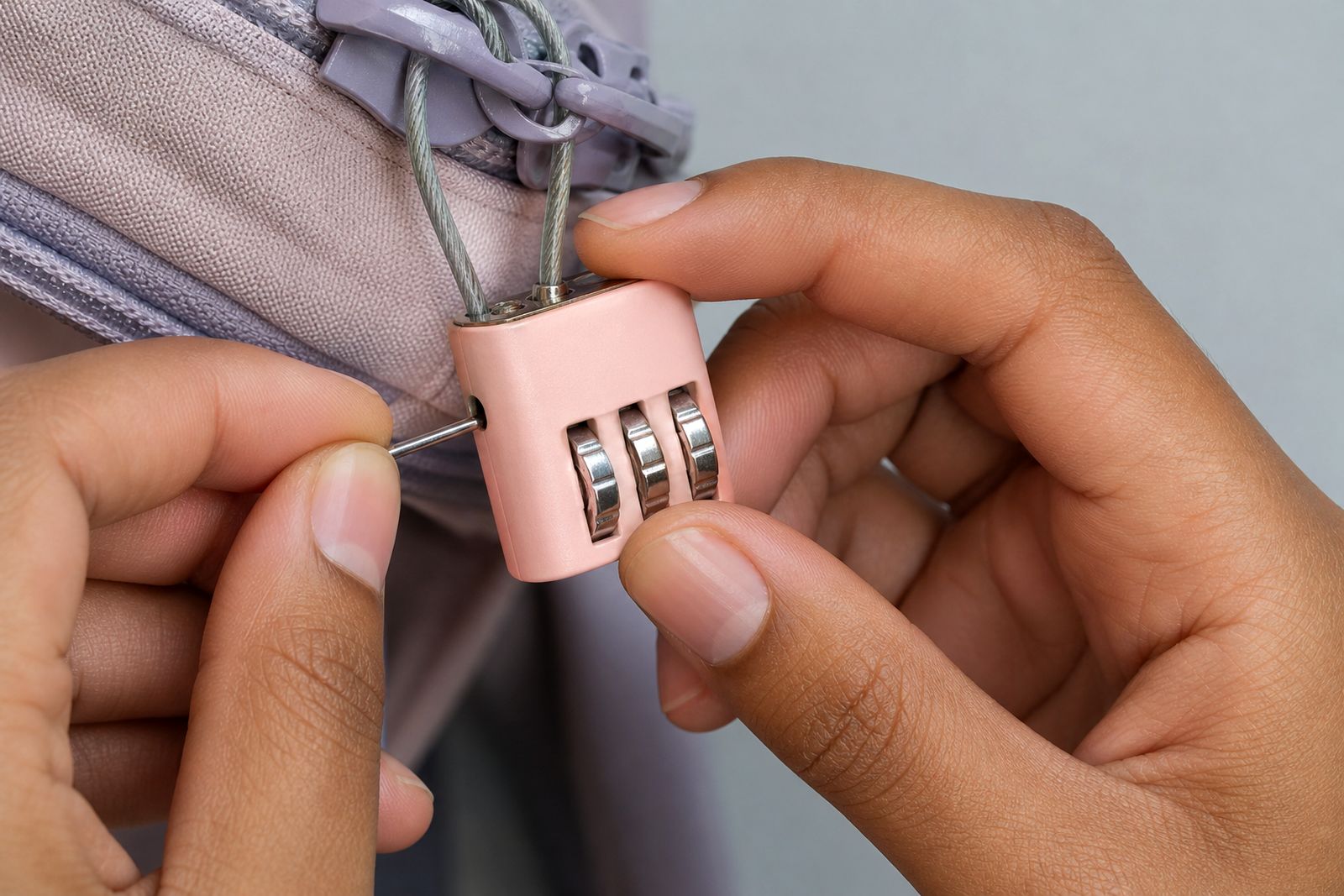
Reset steps beside your lock
Calm reset steps without panic language. Print it, photograph it, or pin it beside your packing list. Resources are short on purpose. If you need a longer story, open a guide. If you need gear, open a lock. If you need a week path, open a kit.
If you need another copy of the Reset sequence sheet, use our contact form and name the resource exactly. Mention whether the lock is a suitcase model, a gym-bag lock, or part of a travel kit so the right reset notes are sent.
When a code change goes wrong
Most reset mistakes happen halfway through a code change, when the shackle or cable is not fully turned into the reset position. On a printed Reset sequence page, keep a tick beside each action instead of relying on memory at a busy check-in counter. Dust from inland trips and sea air from coastal routes both make tiny lock markings harder to read, so wipe the face before you start.
For family travel, one printed reset sheet in the kit prevents everyone trying a different method on the same lock. Put the page in the pouch with the spare cable and code card, then photograph it for the phone of the person carrying the main suitcase. A reset done in the lounge at home is far easier than one attempted next to the baggage belts.
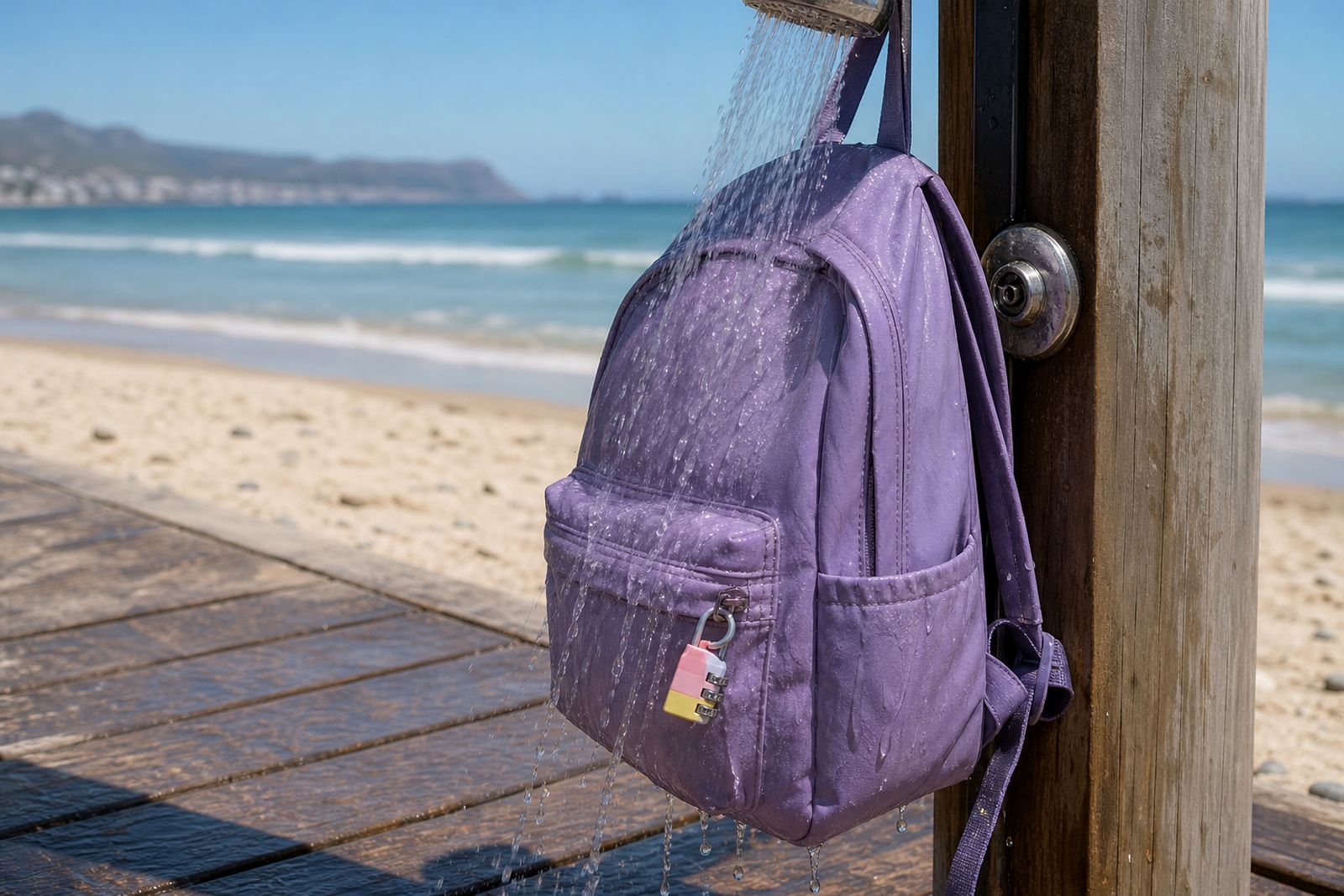
Gym bags and event daypacks often get reset under poor light, which is where a short sequence helps most. Read the numbers at eye level, not while the lock hangs from a moving zip pull. After rain, wet nylon and metal tabs can slip in your hand, so dry the area first before touching the reset point.
At OR Tambo or Cape Town International, rushed packing leads people to forget which digits were chosen during the reset. The sequence sheet works best when you set the new code, test it twice with the bag open, and only then close the zip pulls into place. If the same lock moves between luggage and a weekday locker, note that on the code card so the user remembers where it was last changed.
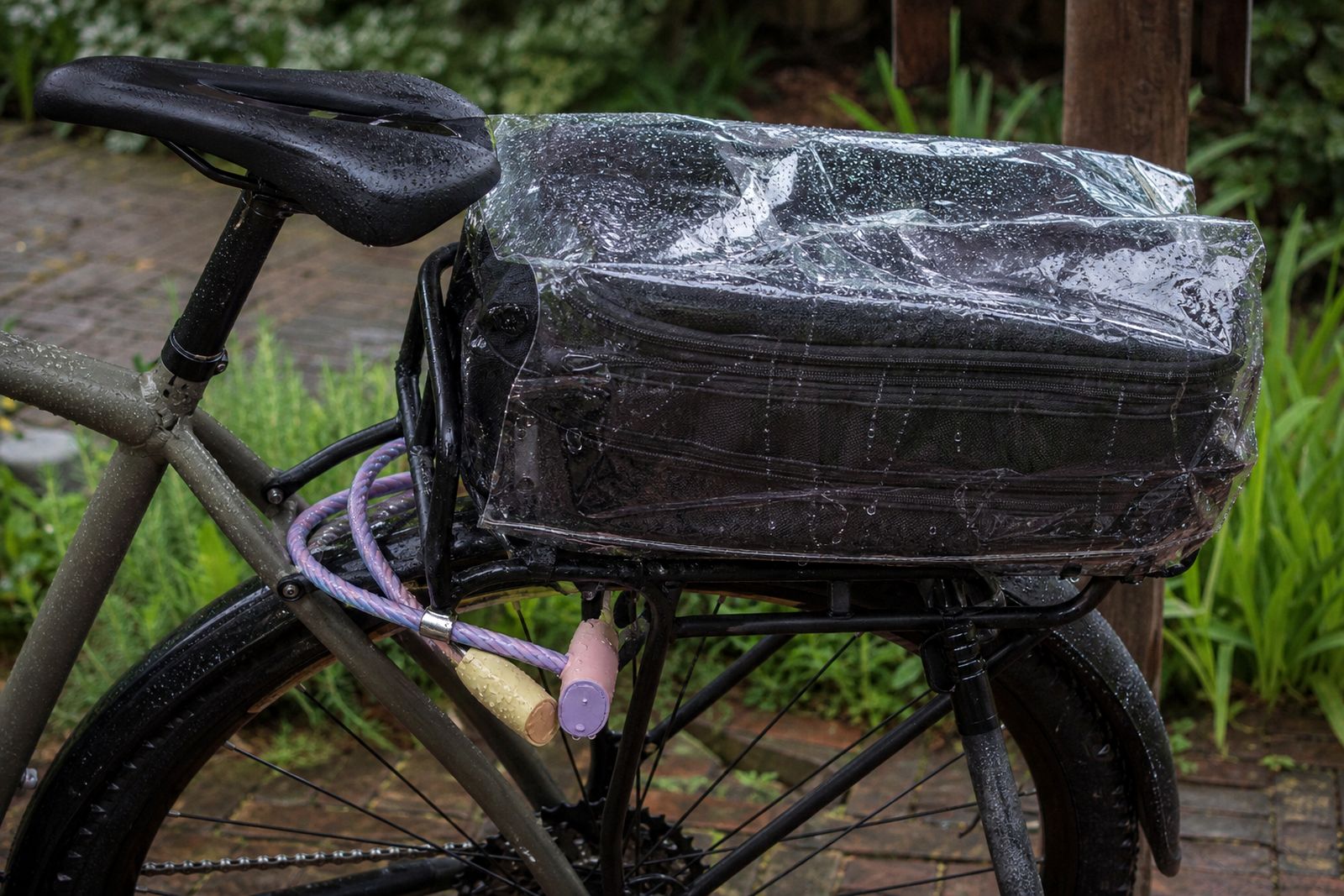
Cable locks and rigid-shackle locks do not always enter reset mode in the same way, so keep the exact lock with its matching reset sequence. Soft luggage can hide the lock body against fabric, while hard cases reflect light off the shell and make small markings easy to miss. Set the bag on a table before starting rather than balancing it on your lap.
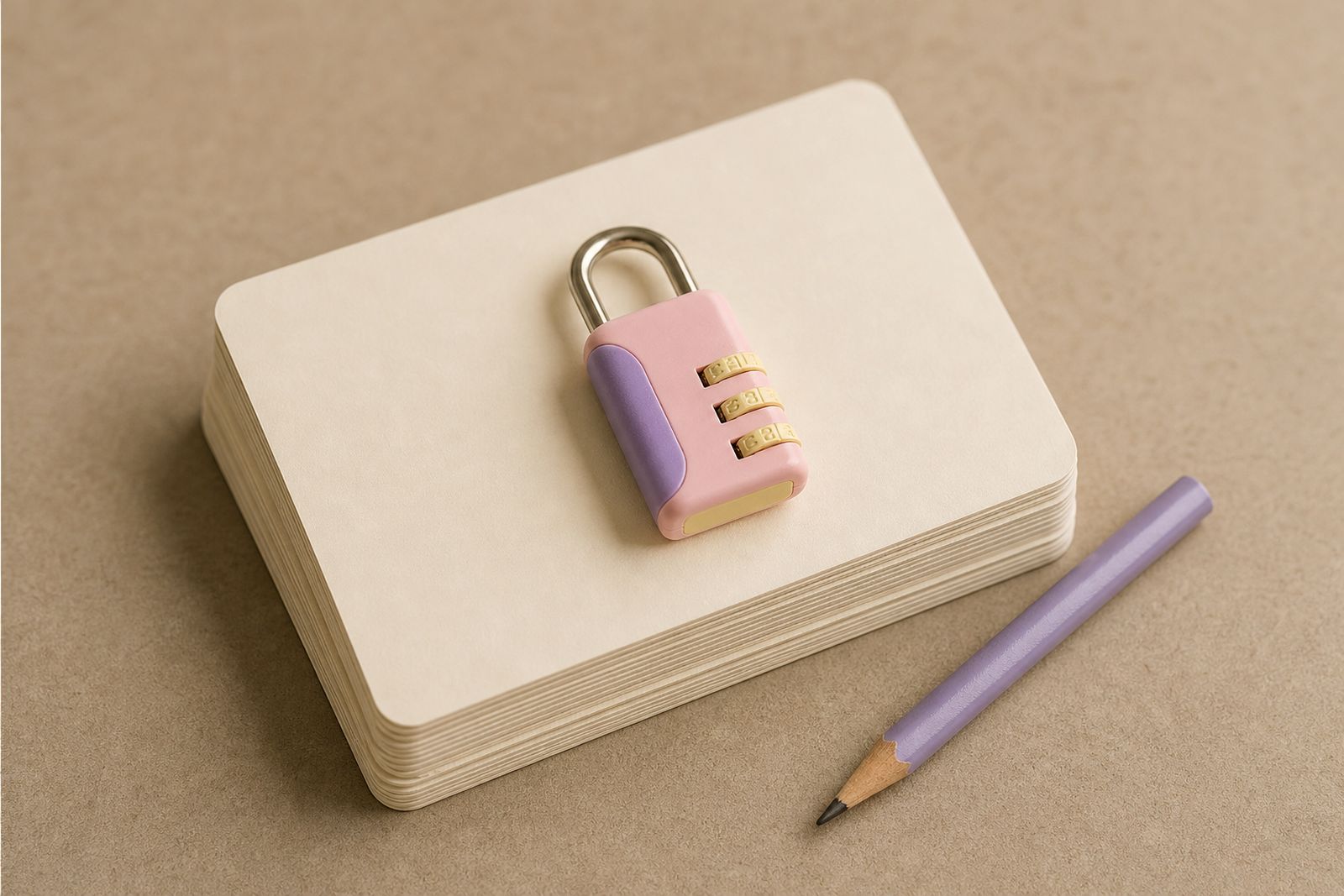
A domestic trip usually means one bag and one user, but longer travel often means someone else may need the code if plans change. Write the final digits on the code card, photograph the lock face, and keep the reset page in the travel wallet. Do not invent a new number late at night and expect to recall it at the hotel table or airport queue.
Most reset mistakes happen halfway through a code change, when the shackle or cable is not fully turned into the reset position. On a printed Reset sequence page, keep a tick beside each action instead of relying on memory at a busy check-in counter. Dust from inland trips and sea air from coastal routes both make tiny lock markings harder to read, so wipe the face before you start.
For family travel, one printed reset sheet in the kit prevents everyone trying a different method on the same lock. Put the page in the pouch with the spare cable and code card, then photograph it for the phone of the person carrying the main suitcase. A reset done in the lounge at home is far easier than one attempted next to the baggage belts.
Tell us about the job
Send sizes, materials and where you are through our contact form, and we will come back with the practical options.
Open the contact form