

FAQ
Short answers travellers ask before a flight.
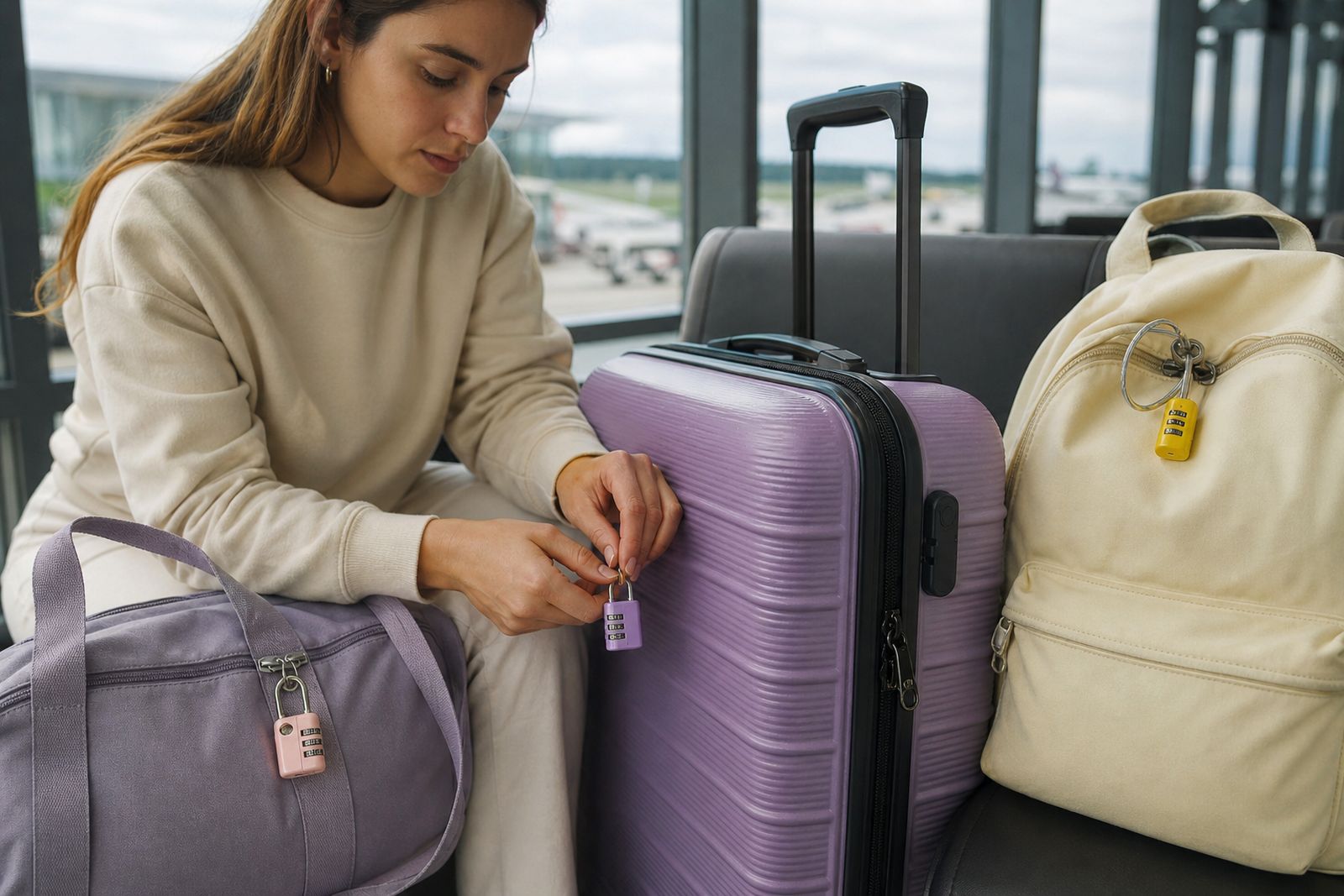
Best way to read these answers
This FAQ is for travellers choosing between airport-safe luggage locks, gym-bag locks, and small security kits for daily carry. It deals with the things people ask before leaving for OR Tambo, King Shaka, Cape Town International, or a weekend trip by car. Expect short guidance on fit, reset steps, spare keys, zip compatibility, and what security staff may need to open at screening.
Begin with the bag you are actually using, not a wishlist. A hard-shell suitcase with paired zip sliders needs a different lock shape from a duffel, backpack, or hostel locker setup. Coastal air in Durban and Gqeberha can leave metal parts tacky if gear stays damp, while inland dust around Johannesburg can sit in the dial grooves if the lock rides in an open boot.
You may have arrived with a catalogue tab open and a concern you have not put into words yet. We slow that down. Look at fit, service, and the next human action. A lock, a seal, a kit, or a bench pick only earns its place if someone on your side can repeat the step without us in the room. In Durban we see the same pattern as in Kimberley: the first week looks busy, and the second week shows which habit survived. Write the habit where the team already looks, on a card, a run sheet, or the back of the job ticket.
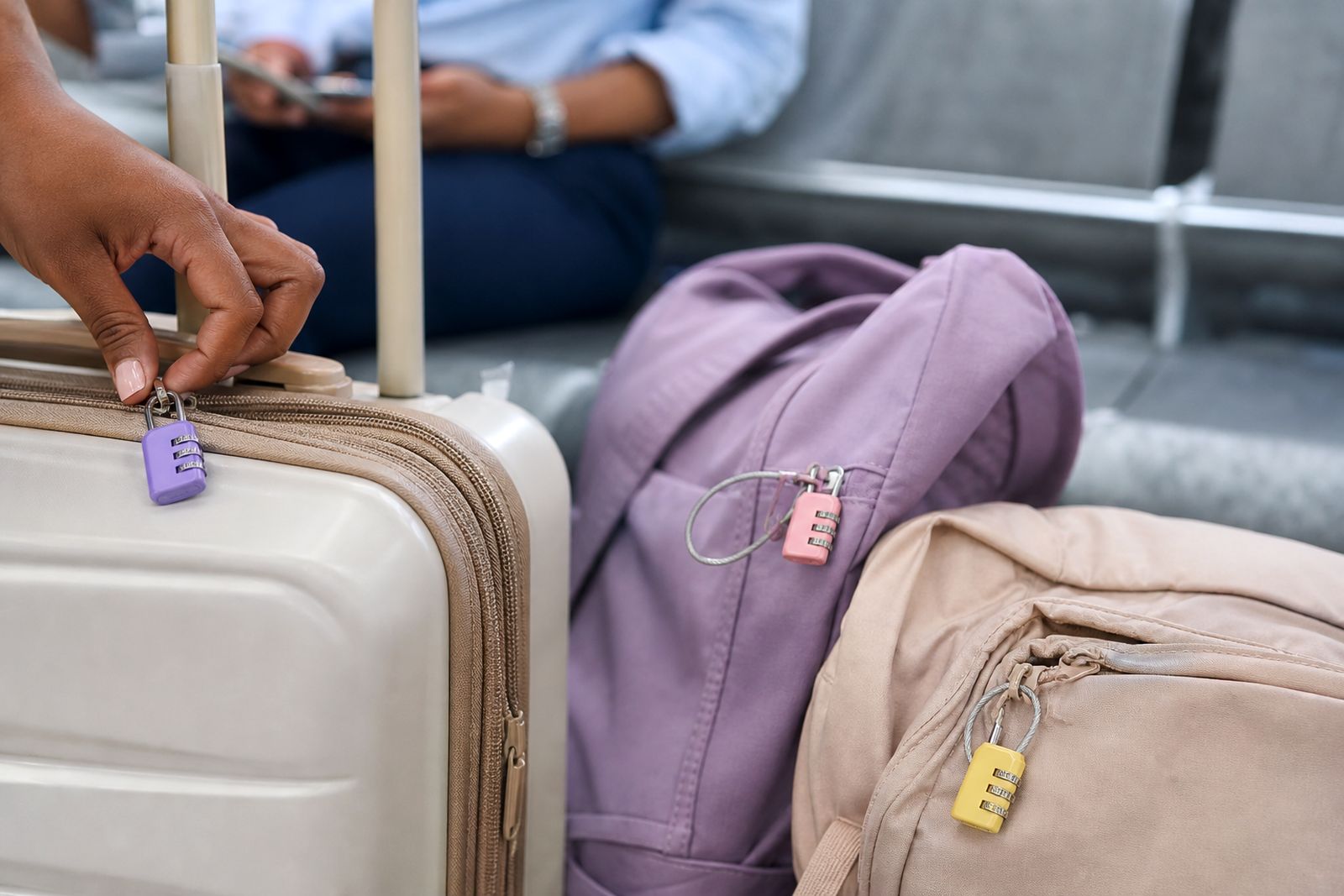
Most lock problems start with fit rather than failure. Measure the gap in the zip eyelets, check whether the shackle or cable can pass cleanly, and see if the lock body knocks against chunky zip pulls. For gym use, think about the locker hasp first, because some locker doors take a slim body and others need more clearance around the latch.
Airport screening changes how people use a travel lock. If security staff need to inspect your suitcase, a TSA compatible lock can be opened by authorised airport staff without cutting it off, which matters on routes touching airports that use that system. Before leaving home, set your code, test it twice with the bag closed, and keep any code card separate from the luggage.
Match the question to the trip. A flight from Johannesburg with checked luggage raises different questions from a gym session in Cape Town or a school tour leaving Durban by bus. If you contact us, keep it to one decision at a time, such as code reset, lock size, airport use, or whether a kit suits cabin baggage.
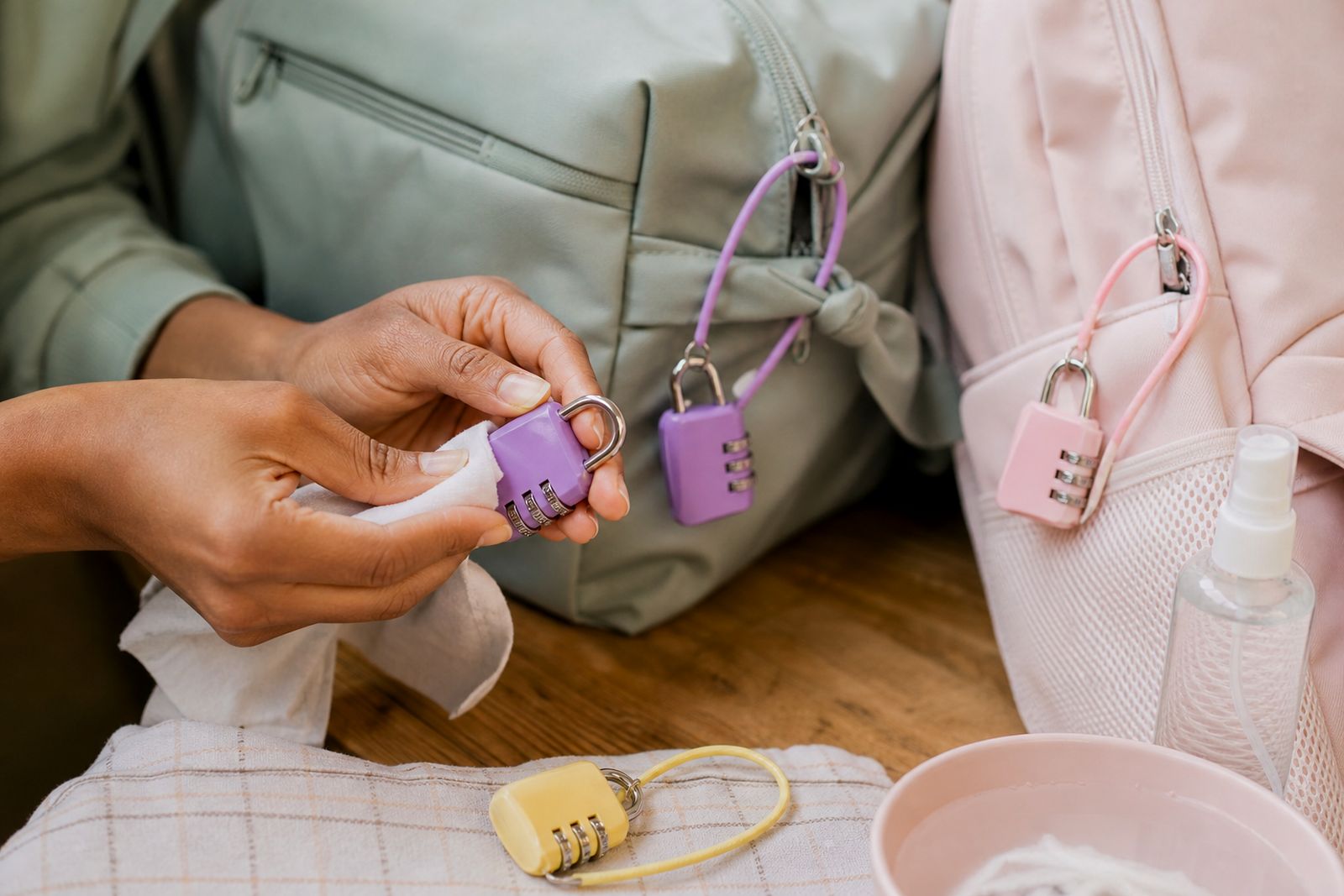
Care is simple but worth doing. Wipe sand, grit, and sunscreen residue off the lock after a trip, and do not force a stiff dial after a beach weekend or a dusty road leg.
When the issue sits between checkout and the inbox, send the details that help with luggage locks for South African airport screening, gym-bag locks for daily use, and travel security kits packed for local trips. Include the item name, where you are, and what changed on your side, whether that was a browser problem, a delivery detail, or uncertainty about which lock fits your zip pulls or locker hasp.
Some questions sit outside a quick FAQ answer. We cannot identify every lock from memory if the model name is missing, and we cannot tell whether a suitcase eyelet will fit from a distant photo with no scale. Clear pictures of the zip heads, hasp, cable route, or damaged part help more than a long story about the whole trip.
If everything else gets lost, keep these three lines in front of you. Name the city and the constraint. Name the supplier and the lead time. Name the next human action and who owns it. FAQ is finished when those three lines are written down and someone else can follow them on a Friday afternoon. That is the standard we use at BagLock Travel, from the first email to the follow up after you have tried the step in Johannesburg. Write when the setup changes. Bring the new photo. We will meet you at the same level of detail, no louder than the work requires.
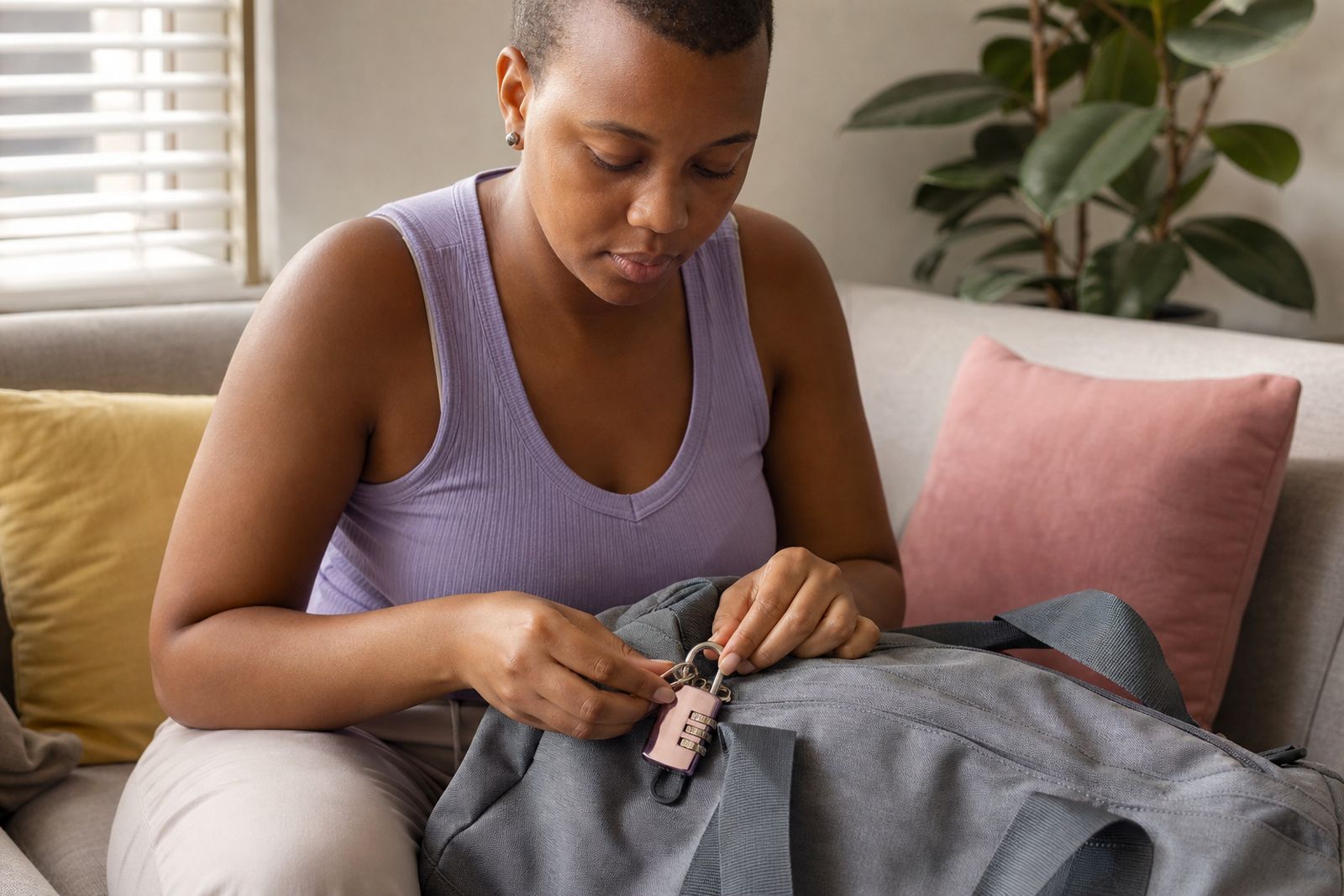
Two habits prevent most travel-lock headaches. Set and test the combination before you pack, then hand the spare key or written code details to the person who is not travelling with the locked bag. On the return leg, check that the lock is still on the bag before leaving the airport trolley bay, the shuttle boot, or the guesthouse room.
Tell us about the job
Send sizes, materials and where you are through our contact form, and we will come back with the practical options.
Open the contact form