

Rugby Gauteng clubs
Kitbag clips across three club change rooms.
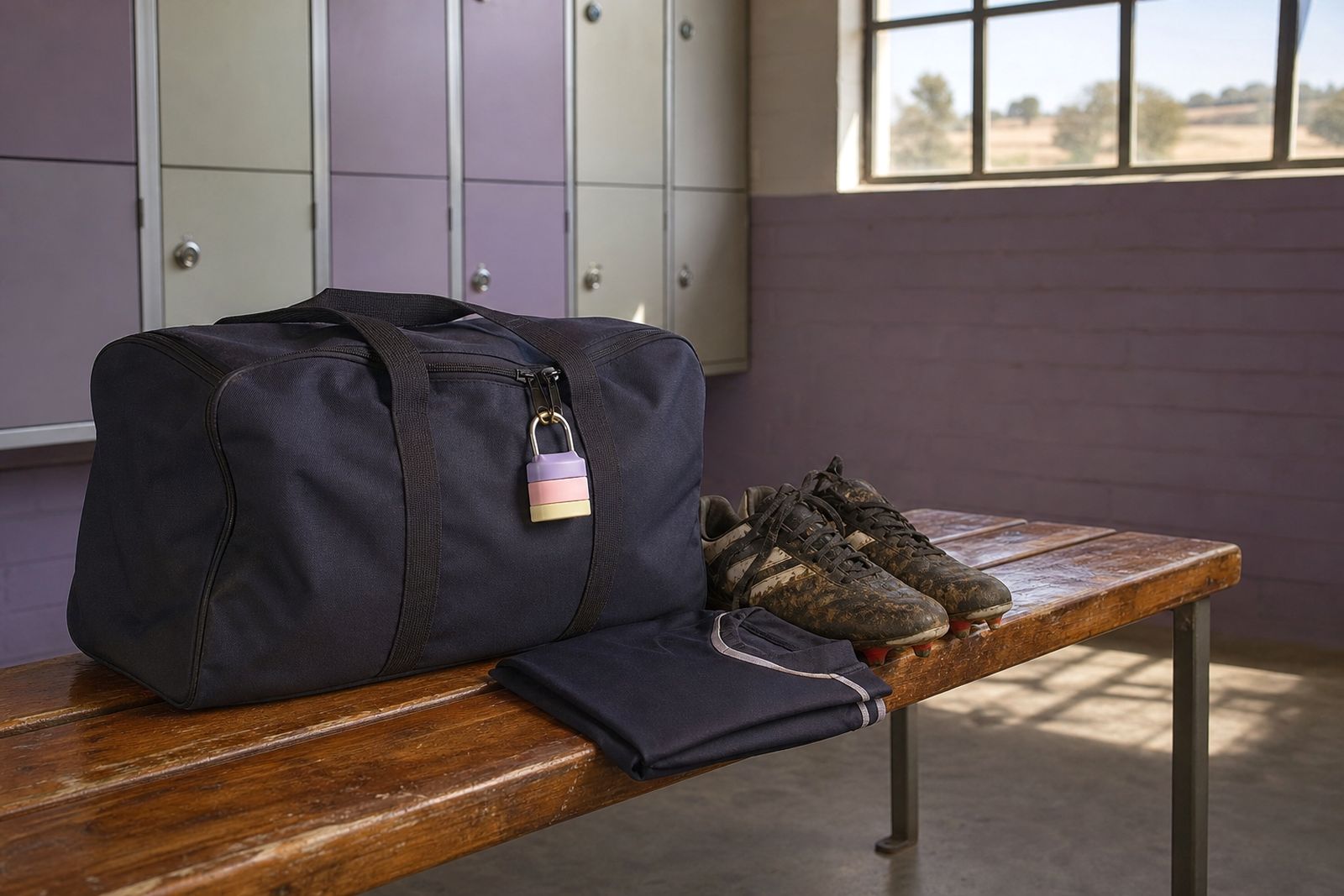
Change-room lock choices at Gauteng clubs
Kitbag clips across three club change rooms. We keep project pages practical: what bag showed up, which lock geometry won, and what we would change next time.
At these Gauteng rugby clubs, the useful comparison was locker size against kitbag zip layout, not a showroom spec sheet. We noted where muddy hands, wet towels and post-training rush made quick opening matter, then tied those notes back to our contact form for clubs asking for the same check list.
What transferred
The details that carried over were simple: clear code-card storage, lock bodies that did not snag on heavy straps, and combinations players could work after training. Club pages are for recording what happened in the change room, which bag shape suited the lock, and what needs changing before the next fixture.
- Bag type logged
- Lock geometry chosen
- Kitbag clips tested in three change rooms
Before club kit gets packed
A short local drive to training asks for different prep from checked luggage through OR Tambo. For rugby kit, we look at whether the lock will sit on a kitbag all week, move to a gym locker midweek, or travel with boots and valuables on match day. That decides whether a compact clip or a small travel lock makes more sense.
Highveld dust, damp socks and repeated handling show up fast on coated hardware. Before any demo, we check the finish, test the action with one hand, and see whether the lock body knocks against zips or plastic trim. Small marks matter when the bag is opened in a busy club change room every evening.
Team bags work better when spare cables, code cards and small items stay in one pouch instead of floating loose under jerseys. We favour a simple starting note for families or school players who share kit space on away trips. Resetting the code properly at the start prevents confusion later when someone else grabs the bag after practice.
Club parking, touchline storage and packed stands all need a lock that opens without fuss and closes properly first time. We check how the bag sits when it is stuffed with pads, tape and a wet jersey, because that changes the pull on the zip heads. A quick handover before an away fixture is better than guessing the combination beside the bus.
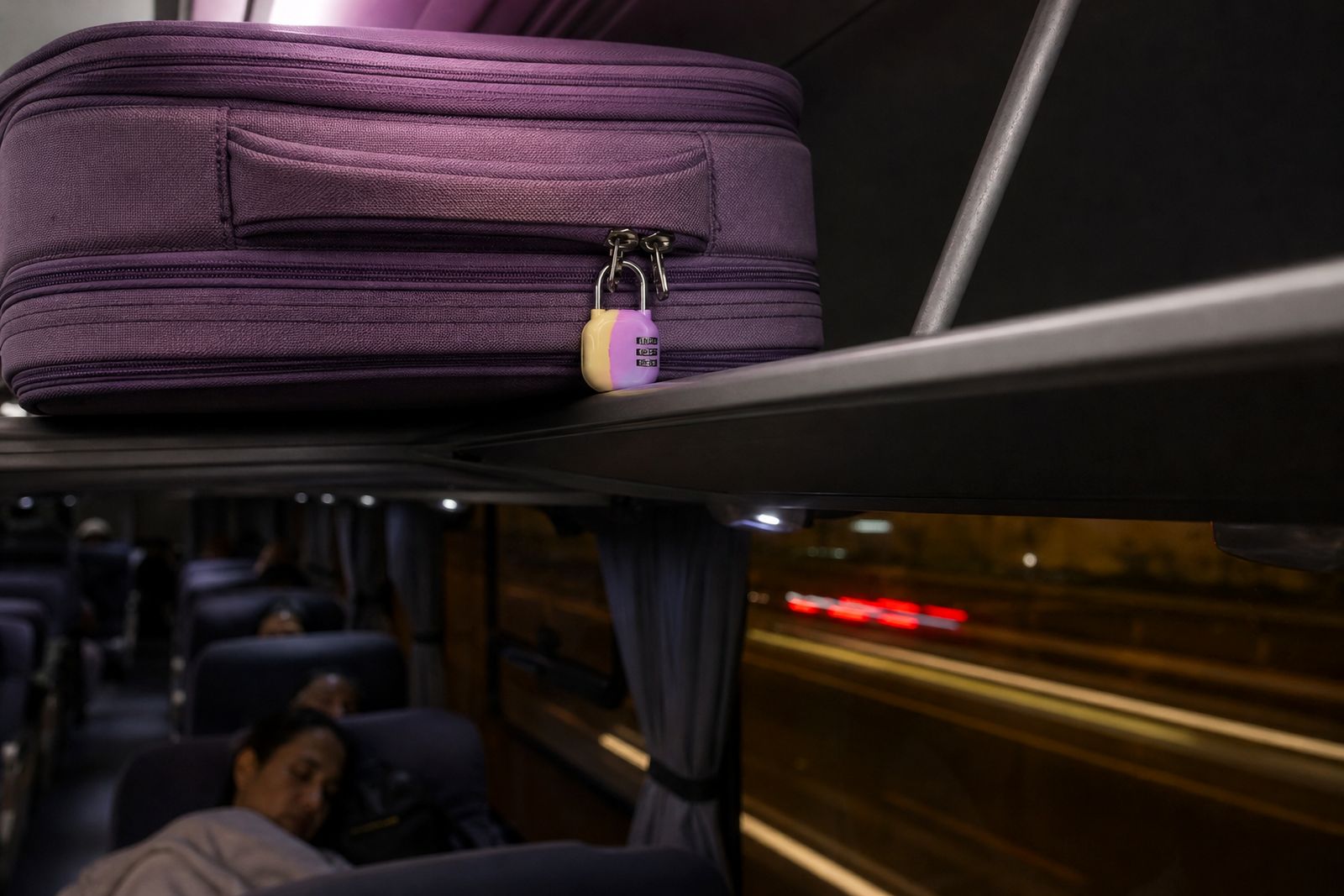
Gauteng travel often mixes club training, school sport and airport runs in the same month. We ask what bag is in use, whether the lock also needs to fit a gym locker, and if airport security access is required for flights. Those answers sort kitbag clips from luggage locks far better than choosing by colour alone.
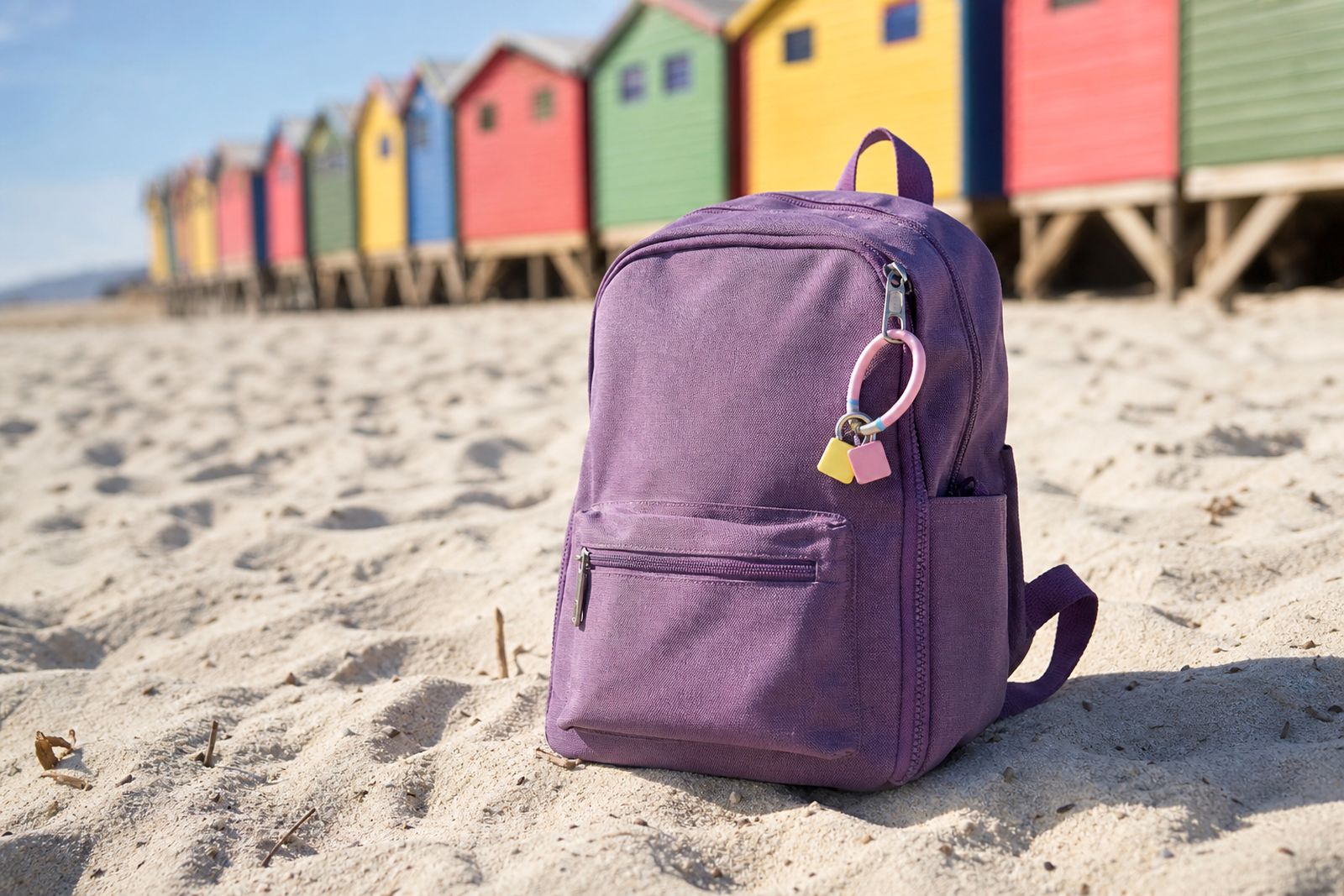
Large rugby kitbags usually do better with low-profile lock shapes that do not stick out between handles and shoulder straps. Soft bags with chunky zip pulls often suit a flexible loop, while hard travel cases need an airport-friendly body that clears the shell edge neatly. Seeing the actual bag helps, because thick nylon, piping and wet gear change the fit.
A short local drive to training asks for different prep from checked luggage through OR Tambo. For rugby kit, we look at whether the lock will sit on a kitbag all week, move to a gym locker midweek, or travel with boots and valuables on match day. That decides whether a compact clip or a small travel lock makes more sense.
What our Luggage Lock customers say
Verified Google reviews
Tell us about the job
Send sizes, materials and where you are through our contact form, and we will come back with the practical options.
Open the contact form